Bedtime Stories and Separation Anxiety
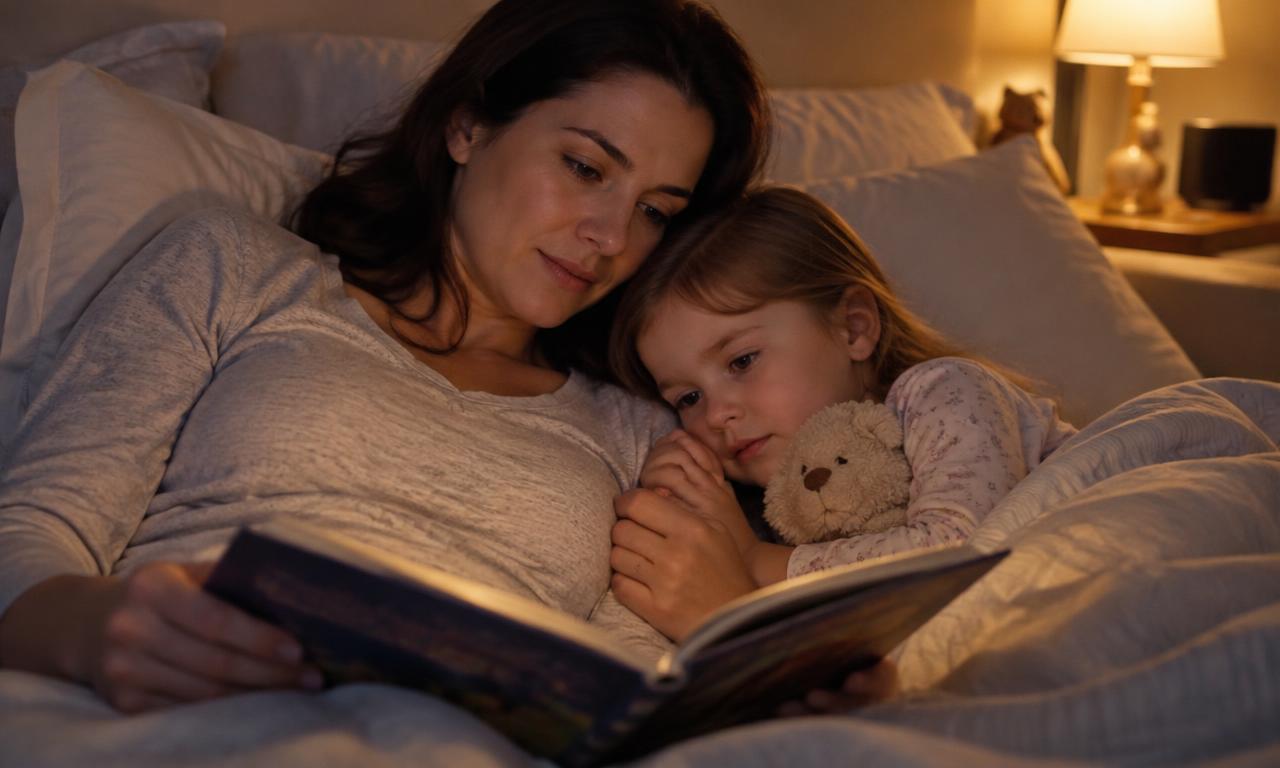
Separation anxiety at bedtime is not naughtiness and it is not a sleep regression, though it often gets called both. It is a developmental step: your child has worked out that you continue to exist when you leave the room, and has not yet worked out that you will come back.
Why the story helps
Anxiety thrives on uncertainty. A child who does not know when the parent is going will spend the whole wind-down watching for it — which is the opposite of settling. A story fixes the timing. Ten pages, then a song, then goodnight. It functions as a countdown a two-year-old can actually follow.
If the anxiety showed up alongside a broader sleep disruption, it may be overlapping with the eight-month regression.
Script the ending
Whatever you say as you leave, say exactly the same thing every night. Something short: "Story's finished, Mum's just in the kitchen, I'll see you in the morning." The words matter less than the sameness. Children who hear the identical sign-off nightly stop testing whether tonight will be different.
Do not let the room go silent
The hardest second for an anxious child is the one where your voice stops and the door closes. Leaving something playing — a narrated story or a soft lullaby — smooths that edge, and it also masks the household noise that would otherwise make the separation obvious. A thirty-minute loop covers the whole settle window without you needing to go back in.
There is more on the audio side in sleep associations that help and hinder.
A story that carries you into the room
Personalised stories are useful here for a specific reason: the child hears their own name, in a story they know, from a voice that belongs to their bedtime. It gives the room a sense of company after the door closes. Choose a gentle theme — the woodland, the moonlit garden, the teddy bear — rather than an adventure, and keep it as the last thing they hear.
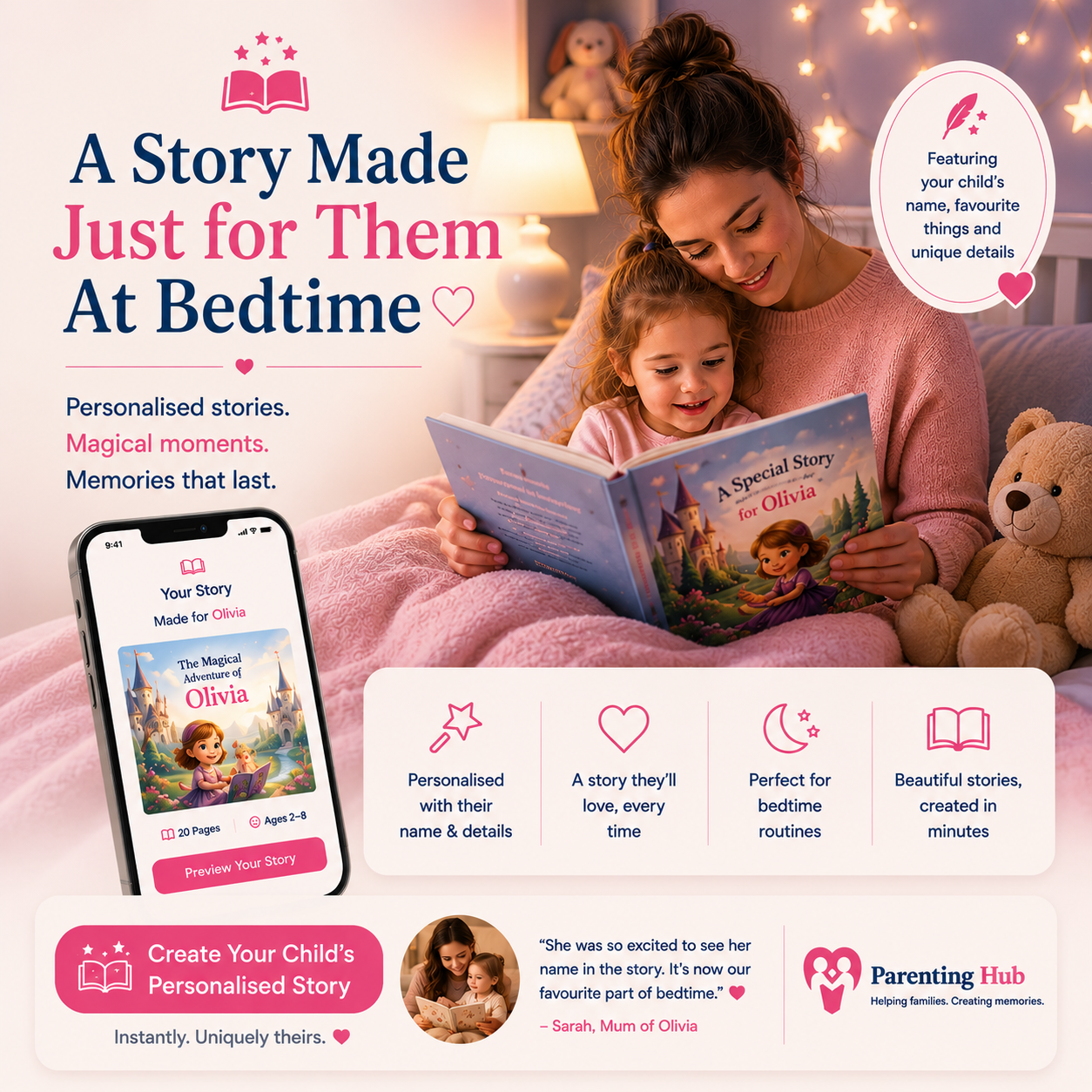
Personalised Bedtime Story
Something Familiar for After the Door Closes
A ten-page illustrated story starring your child, with soft narration that can keep playing once you leave the room. From $49.99 AUD.
Create Your Child's Story ✨Frequently Asked Questions
When does separation anxiety peak?
It usually appears around eight to ten months and can flare again between eighteen months and two and a half years, often alongside new childcare or a new sibling.
Can a bedtime story reduce separation anxiety?
It helps by making the goodbye predictable. A story that ends the same way each night tells your child exactly when you will leave, which is easier to tolerate than an unpredictable exit.
Should the story mention the parent coming back?
Yes, briefly. A line about the parent being nearby and coming back in the morning gives the child something concrete to hold on to.
Does leaving audio playing help?
For many children, yes. A narrated story or lullaby in your own routine's voice keeps a sense of company in the room after you leave.
How long does a separation anxiety phase last?
Typically a few weeks per flare-up. Keeping the routine identical through it usually shortens it more than changing tactics does.
Sample: Ryan's lullaby
Create Your Baby's Personalised Lullaby
A soothing, personalised lullaby made just for your little one — with their name, gentle vocals, and calming melodies designed to help them drift off to sleep.
- Instant digital delivery
- Secure checkout
- Trusted by families worldwide
- Free preview before you buy
Personalised Bedtime Story
A Story Made Just for Them at Bedtime
A magical bedtime story featuring your child's name, favourite things and unique details — created in minutes.
Create My Child's Story ✨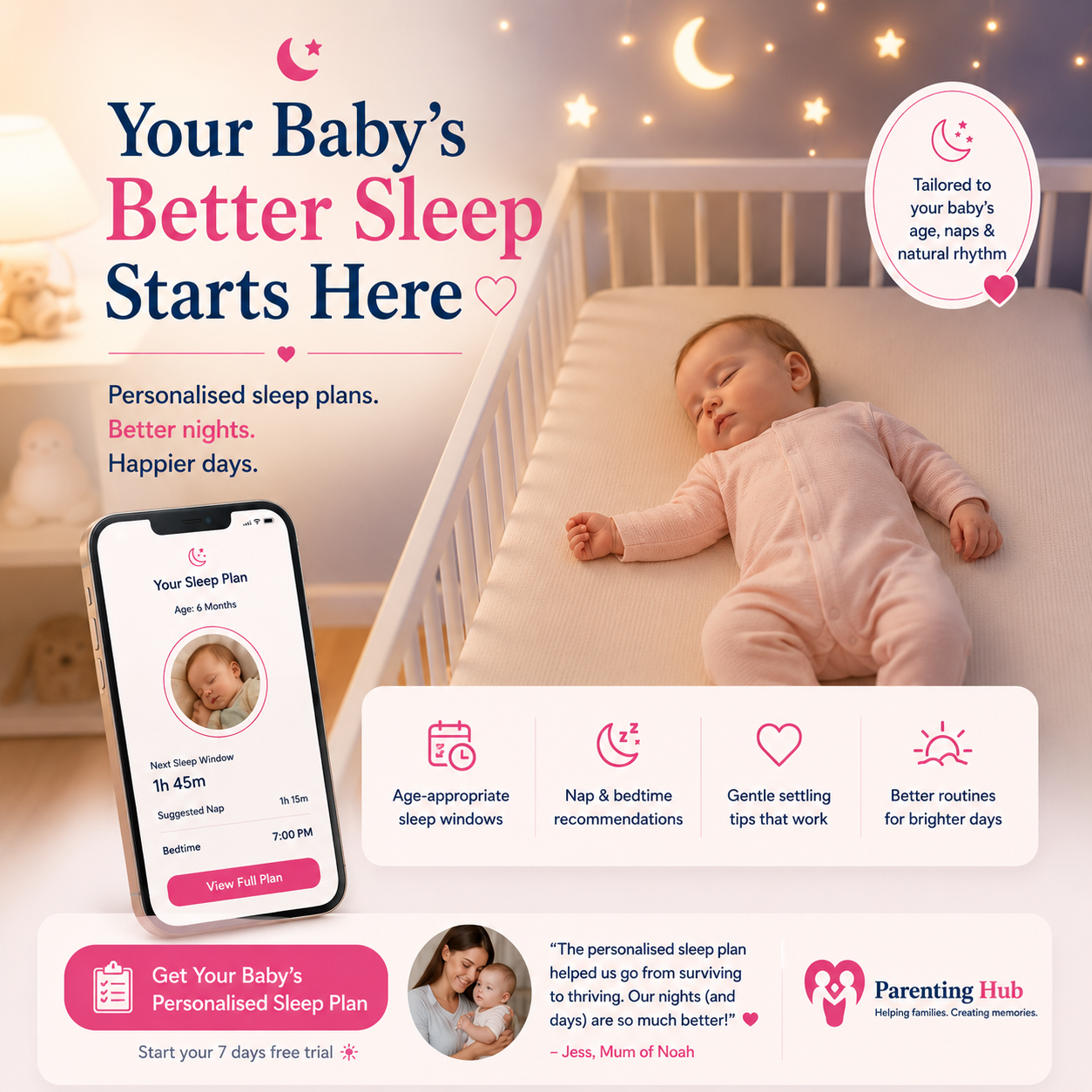
Personalised Sleep Plan
Get Your Baby's Personalised Sleep Plan
Answer a few quick questions about your baby's age, naps, and mood — and get a tailored bedtime plan with suggested sleep windows and settling tips.
Generate Sleep Plan 🌙🌙 Related Baby Sleep Guides
Why Babies Sleep Better with Lullabies
Discover why lullabies help babies sleep better. Learn the science behind personalised baby lullabies, parent-voice bonding, and how to build a calming bedtime routine.
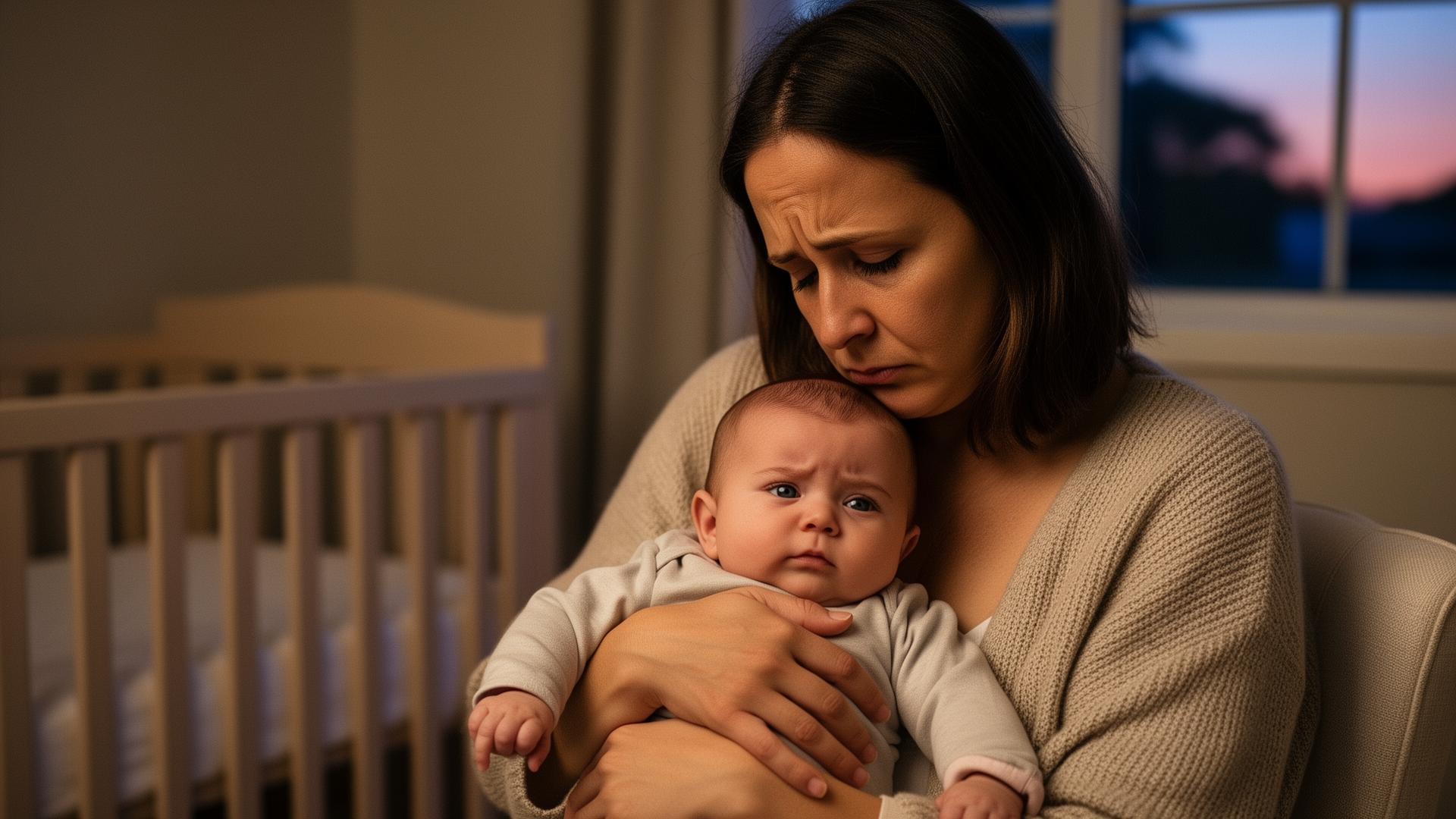
8 Month Sleep Regression: An Australian Survival Guide
The 8 month sleep regression explained for Australian parents — why it happens, how long it lasts and the gentle lullaby-and-routine fixes that actually work.
Baby Sleep Associations: What's 'Good' vs 'Bad' (And Why It Matters)
What sleep associations are, the real difference between good and bad ones, and how to swap one for a personalised lullaby in 7 nights.