
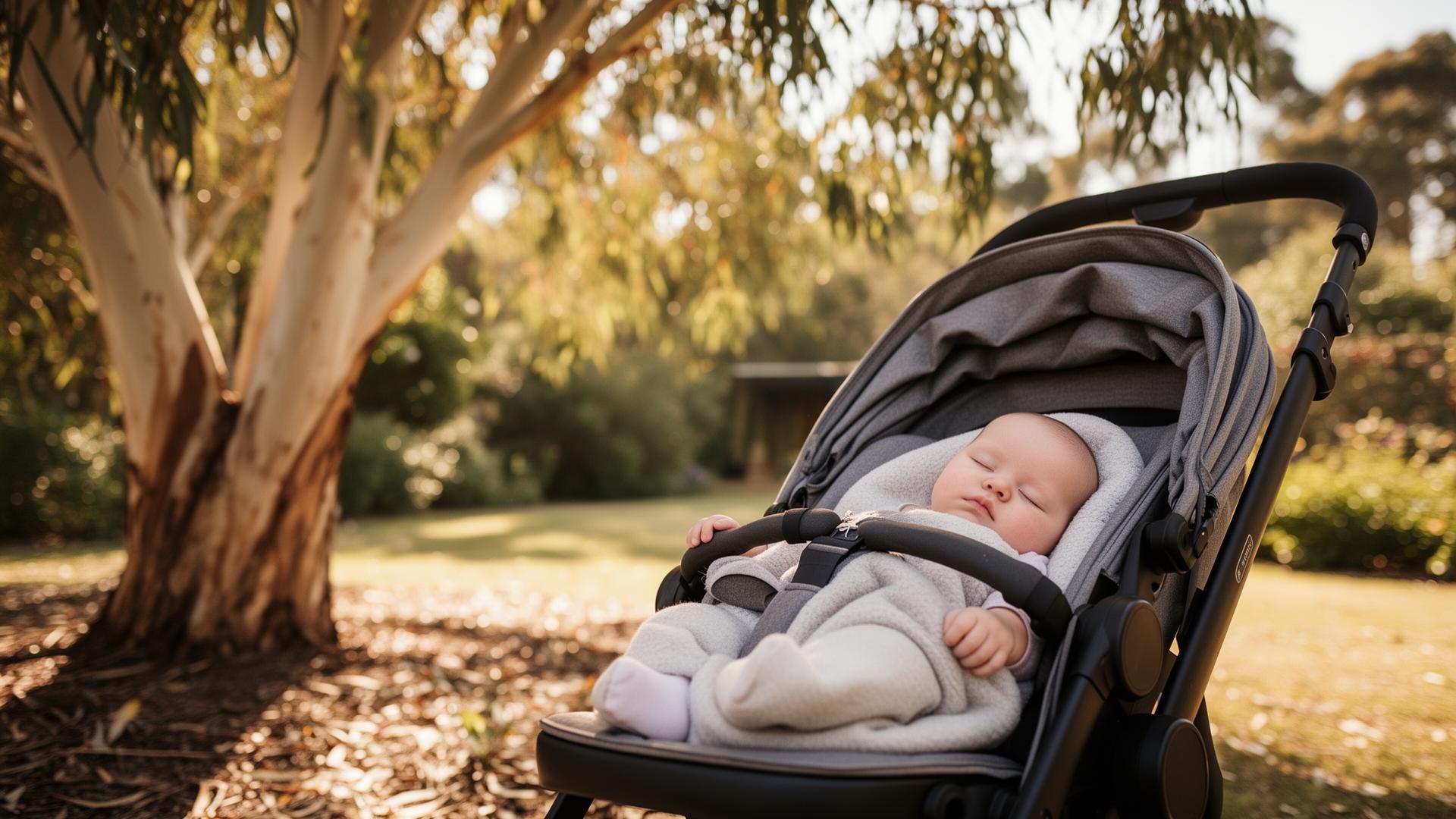
Catnapping Baby? A Gentle Australian Guide to Longer Naps
Catnapping is the universally hated nap pattern of the under-1 set. Baby finally goes to sleep, you tiptoe out, sit down with a cup of tea — and 35 minutes later they're awake, unsettled and looking for action.
The good news: catnapping almost always has a fixable cause. Here's the Australian parent's gentle guide to longer naps — without rigid schedules or cry-it-out.
What counts as a catnap?
Any nap that ends at the first sleep-cycle transition — typically 30–45 minutes long. The signature giveaway: baby wakes alert and grumpy, rather than relaxed and refreshed.
Why babies catnap
- Wake window mismatch. Too short and they're not tired enough to link cycles. Too long and cortisol crashes through the second cycle. (Our newborn wake windows guide covers the right times by age.)
- Fragile sleep associations. Baby fell asleep being rocked or fed and needs the same condition to bridge the cycle.
- Daytime room set-up. Too light, too noisy or too warm. A blockout curtain alone fixes a surprising number of catnaps.
- Developmental leaps. Around 4 months and 8 months, naps temporarily fragment. Hold the routine steady.
The 4-step gentle fix
- Darken the room. Aim for pitch black — light cues the brain to wake.
- Play continuous sound. A familiar lullaby or white noise for the whole nap.
- Anchor a 5-minute wind-down. Same sequence every nap — dim, sleeping bag, lullaby, cuddle, cot.
- Pause at the stir. When baby surfaces at 30 minutes, wait 5–10 minutes before going in.


Sample: Olivia's lullaby
A Familiar Lullaby Helps Bridge Sleep Cycles
When the same gentle lullaby plays through the whole nap, babies are far more likely to link cycles into a long, restorative sleep.
- Instant digital delivery
- Secure checkout
- Trusted by families worldwide
- Free preview before you buy
What to try by age
- Under 4 months: contact naps and short cot naps are both fine. Don't fight catnaps; just protect awake time.
- 4–6 months: introduce the darkened room and continuous sound. Most babies start linking cycles within 1–2 weeks.
- 6–9 months: consolidate down to two naps. The midday nap is the easiest one to lengthen first.
- 9–12 months: protect the lunchtime nap as the longest sleep of the day.
What not to do
- Don't rush in at the first sound. Many stirs end on their own.
- Don't switch tactics every day. Stay consistent for 7–10 days minimum.
- Don't let the final nap of the day creep past 4:30pm — it almost always sabotages bedtime.
The bedtime knock-on effect
Catnapping often ripples into a hard 6pm. An overtired baby resists settling and wakes more overnight. If naps stay stuck, an earlier bedtime — 5:45–6:15pm — usually helps until the days improve. Pair it with a familiar soothing lullaby for babies and the whole evening softens.
Pulling it together
Catnapping is a phase, not a personality trait. Get the room dark, play the same lullaby every sleep, and trust the rhythm. Most Australian babies move from 35-minute naps to 90-minute naps within a fortnight of consistent set-up. A personalised lullaby with your baby's name is one of the gentlest ways to anchor that consistency.
Frequently Asked Questions
Why is my baby catnapping?
Catnapping (30–45 minute naps) is almost always caused by one of three things: an over- or under-tired baby, fragile sleep associations that don't survive the cycle transition, or daytime noise and light. Tackling the right cause is what fixes it.
Is catnapping normal?
Yes — short naps are completely normal in babies under 4–5 months, when sleep cycles are still maturing. After 5 months, persistent catnapping usually responds well to a small tweak in wake windows, room darkness and sleep cues.
How do I help my baby link sleep cycles for longer naps?
Use the same calming sound (a lullaby or white noise) from the start of every nap, keep the room dark, and give baby 5–10 minutes to resettle when they stir at the cycle transition. Many babies link cycles within a fortnight of consistent set-up.
Should I wake my baby from a catnap?
Generally no — let them wake naturally. The exception: if a 4pm catnap is wrecking bedtime, gently wake them after 30–45 minutes to protect night sleep.
Can a lullaby help with catnapping?
Yes. A consistent lullaby that runs through the entire nap gives babies the same cue when they briefly rouse between sleep cycles — making them much more likely to drift into the next cycle instead of fully waking.

Sample: Ryan's lullaby
Create Your Baby's Personalised Lullaby
A soothing, personalised lullaby made just for your little one — with their name, gentle vocals, and calming melodies designed to help them drift off to sleep.
- Instant digital delivery
- Secure checkout
- Trusted by families worldwide
- Free preview before you buy

Personalised Bedtime Story
A Story Made Just for Them at Bedtime
A magical bedtime story featuring your child's name, favourite things and unique details — created in minutes.
Create My Child's Story ✨
Personalised Sleep Plan
Get Your Baby's Personalised Sleep Plan
Answer a few quick questions about your baby's age, naps, and mood — and get a tailored bedtime plan with suggested sleep windows and settling tips.
Generate Sleep Plan 🌙🌙 Related Baby Sleep Guides
Why Babies Sleep Better with Lullabies
Discover why lullabies help babies sleep better. Learn the science behind personalised baby lullabies, parent-voice bonding, and how to build a calming bedtime routine.

Baby Sleep Cycles Explained — and Why They Matter for Settling
An Australian parent's guide to baby sleep cycles — what's happening every 45 minutes, why naps end exactly then, and how to help your baby link cycles.

Newborn Wake Windows by Age: An Australian Sleep Guide
An Australian parent's guide to newborn wake windows by age — how long babies should be awake from 0–12 months, with tired-sign cues and gentle settling tips.