Lullaby vs White Noise: Which Actually Helps Baby Sleep?
It's one of the most-asked questions in Australian mothers' groups: should I play a lullaby or run a white noise machine? The answer most parents are surprised by — both, but for different reasons.
Here's a clear, evidence-friendly breakdown of what each one does, when to use them, and how to combine both for deeper, longer baby sleep.
What white noise actually does
White noise is a steady, broadband sound — like the inside of the womb. It works two ways:
- Masks household noise so the dog barking or the dishwasher cycling doesn't startle baby awake.
- Triggers calming reflexes babies are born with — the "shhh" sound mimics blood flow in utero.
White noise is brilliant in the first 4 months and during sleep cycle transitions. It doesn't actively soothe — it removes barriers to sleep.
What a lullaby actually does
A lullaby is melodic, rhythmic and (often) sung. Its calming effect runs through completely different pathways:
- Releases oxytocin (the bonding hormone) — especially when sung by a parent.
- Slows heart rate to the lullaby's tempo (typically 60–80 BPM).
- Activates familiarity centres in the brain when the same melody is used every sleep.
- Includes language exposure that supports development.
Lullabies actively soothe. They're a relationship as much as a sound.
Side-by-side: when each one wins
- Settling overtired baby: lullaby — the rhythm regulates the nervous system.
- Noisy household: white noise — masks ambient sound.
- Newborn (0–4 months): white noise leans ahead — closest to the womb.
- 4–12 months: lullaby leans ahead — babies now respond to melody and language.
- Linking sleep cycles: either, as long as it's the same sound every sleep.
- Bonding moments: lullaby — especially a parent-voice version.
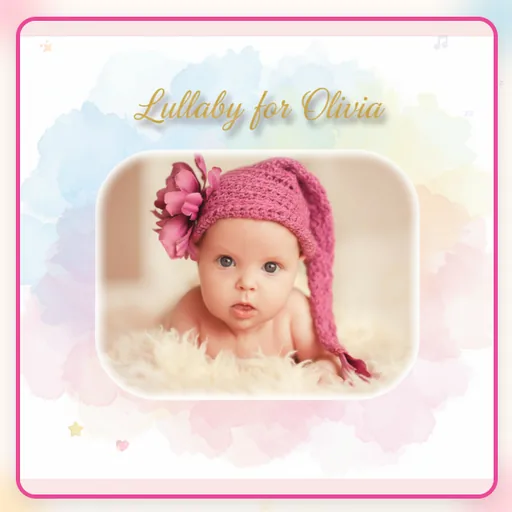
Sample: Olivia's lullaby
A Personalised Lullaby Is the Best of Both
Familiar voice + calming melody + your baby's name. Played softly across the room, it works for settling and runs gently through the whole sleep.
- Instant digital delivery
- Secure checkout
- Trusted by families worldwide
- Free preview before you buy
Can I use both?
Absolutely — and many Australian families do. A common rhythm: lullaby for the 5–10 minute wind-down and settling, then white noise on a low volume across the whole sleep. Some personalised lullabies blend gentle ambient layers into the melody, giving you both jobs in one track.
Safety basics (Red Nose Australia)
- Volume below 50 decibels (roughly a quiet conversation).
- Speaker at least 1 metre from the cot.
- Never place a phone, tablet or any cord inside the cot.
- Use sleep-only — give baby's ears quiet time during awake periods.
For more on safe set-up, see our guide to Australian safe sleep guidelines.
What changes as baby grows
White noise tends to dominate the early weeks because the brain is still craving womb-like input. As your baby moves through the 4 month sleep changes and starts responding to melody, a personalised lullaby usually becomes the more powerful sleep cue. Many families layer in lullabies around 8 weeks and let the balance shift naturally.
The bottom line
It's not lullaby or white noise — it's choosing the right tool for the moment. For the deepest emotional comfort and the strongest sleep cue, nothing beats a familiar personalised lullaby with your baby's name. Pair it with low-level white noise during noisy hours, and you've covered every sleep base.
Frequently Asked Questions
Which is better for babies — lullaby or white noise?
They do different jobs. White noise masks household noise and mimics the womb. Lullabies actively calm the nervous system through familiar melody and (when personalised) the parent's voice. Many Australian families use both — a lullaby to settle, white noise to maintain sleep.
Is white noise safe for newborns?
Yes, when used correctly. Keep volume below 50 decibels, place the device at least 1 metre from the cot, and don't run it 24/7 — use it for sleeps only. Never place any device inside the cot.
Can I play a lullaby all night?
Yes — a soft, looped lullaby played at low volume across the night is safe and many parents find it helps babies link sleep cycles. Use a speaker, not a device inside the cot, and keep volume gentle.
Do personalised lullabies work better than generic ones?
Often yes. A lullaby that includes your baby's name and your own voice activates familiarity centres in the brain, which triggers stronger calming responses than a generic tune.
Should I switch from white noise to lullabies as my baby grows?
Many families do — white noise dominates the first 4 months, then lullabies take over as babies become more responsive to melody and language. Both have a place at any age.
Sample: Olivia's lullaby
Create Your Baby's Personalised Lullaby
A soothing, personalised lullaby made just for your little one — with their name, gentle vocals, and calming melodies designed to help them drift off to sleep.
- Instant digital delivery
- Secure checkout
- Trusted by families worldwide
- Free preview before you buy
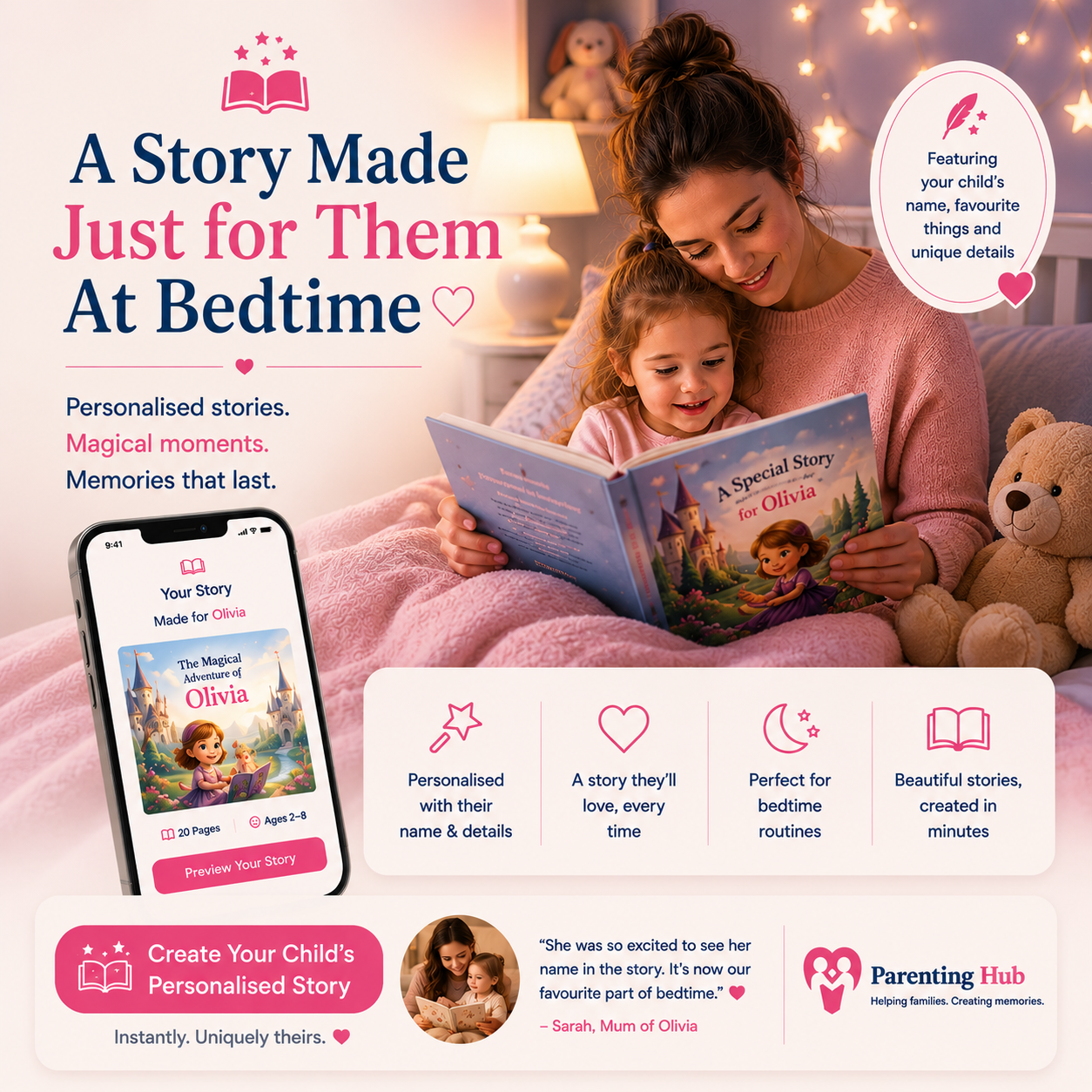
Personalised Bedtime Story
A Story Made Just for Them at Bedtime
A magical bedtime story featuring your child's name, favourite things and unique details — created in minutes.
Create My Child's Story ✨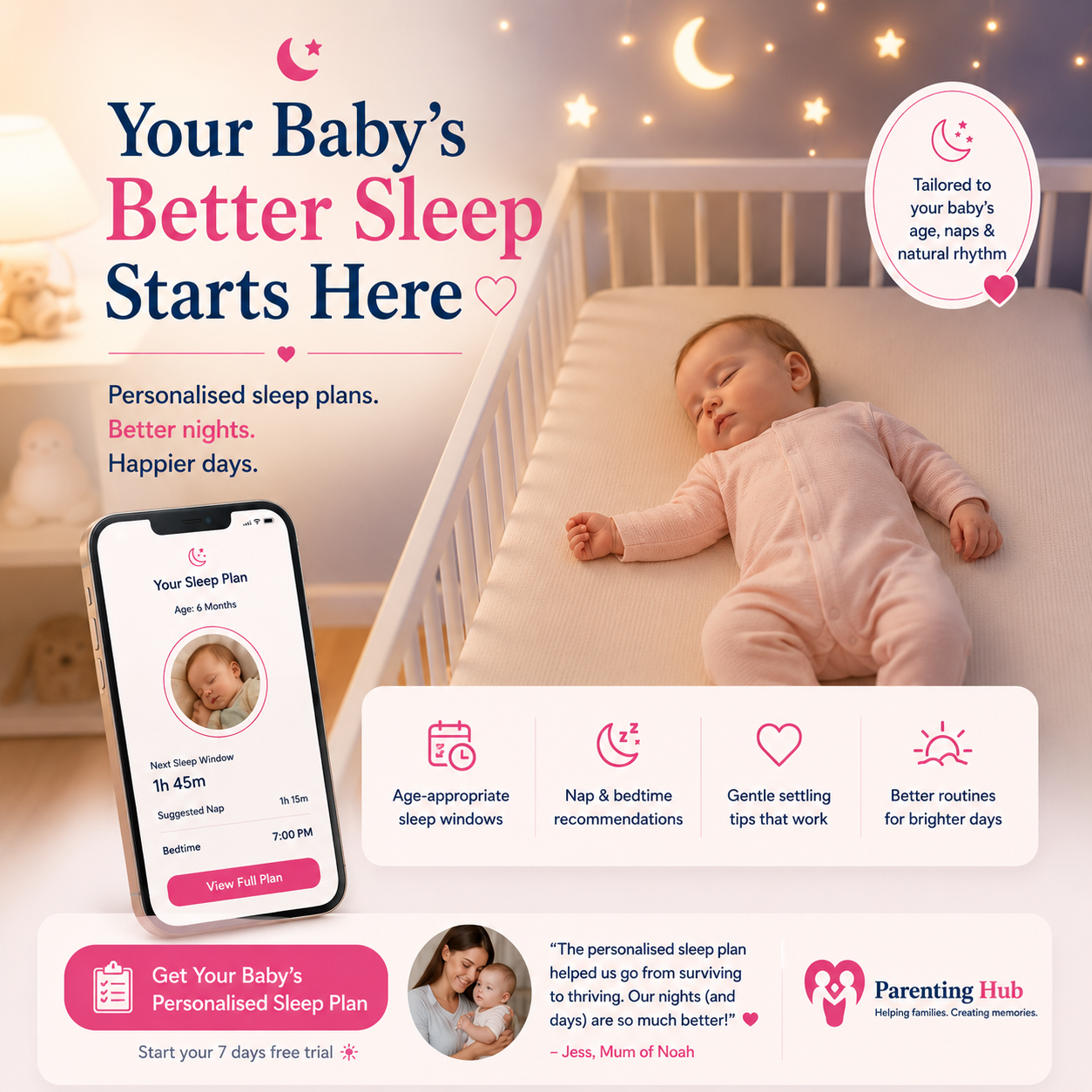
Personalised Sleep Plan
Get Your Baby's Personalised Sleep Plan
Answer a few quick questions about your baby's age, naps, and mood — and get a tailored bedtime plan with suggested sleep windows and settling tips.
Generate Sleep Plan 🌙🌙 Related Baby Sleep Guides
Why Babies Sleep Better with Lullabies
Discover why lullabies help babies sleep better. Learn the science behind personalised baby lullabies, parent-voice bonding, and how to build a calming bedtime routine.
Sound Helps Babies Sleep | White Noise Help Babies Sleep | Personalised Lullaby
Sleep is one of the biggest challenges new parents face. Discover how sound helps babies sleep including white noise, pink noise, and personalised lullabies.
Best Music for Baby Sleep | Personalised Baby Sleep Music | Lullaby | Mozart
Helping a baby fall asleep can sometimes feel unpredictable. Discover the best music for baby sleep including lullabies, Mozart, and personalised baby sleep music.