
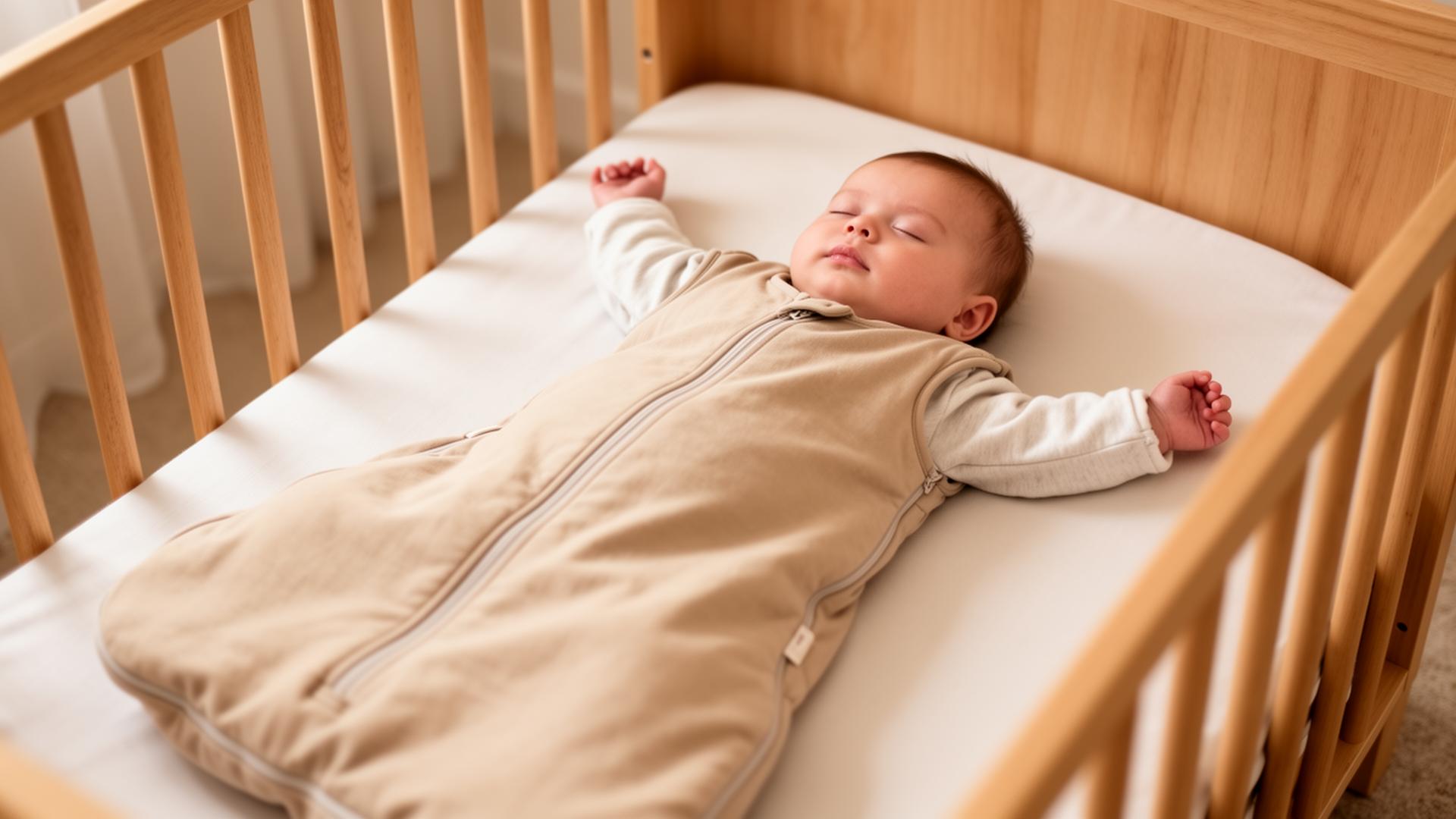
Swaddle to Sleeping Bag: A Gentle Australian Transition Guide
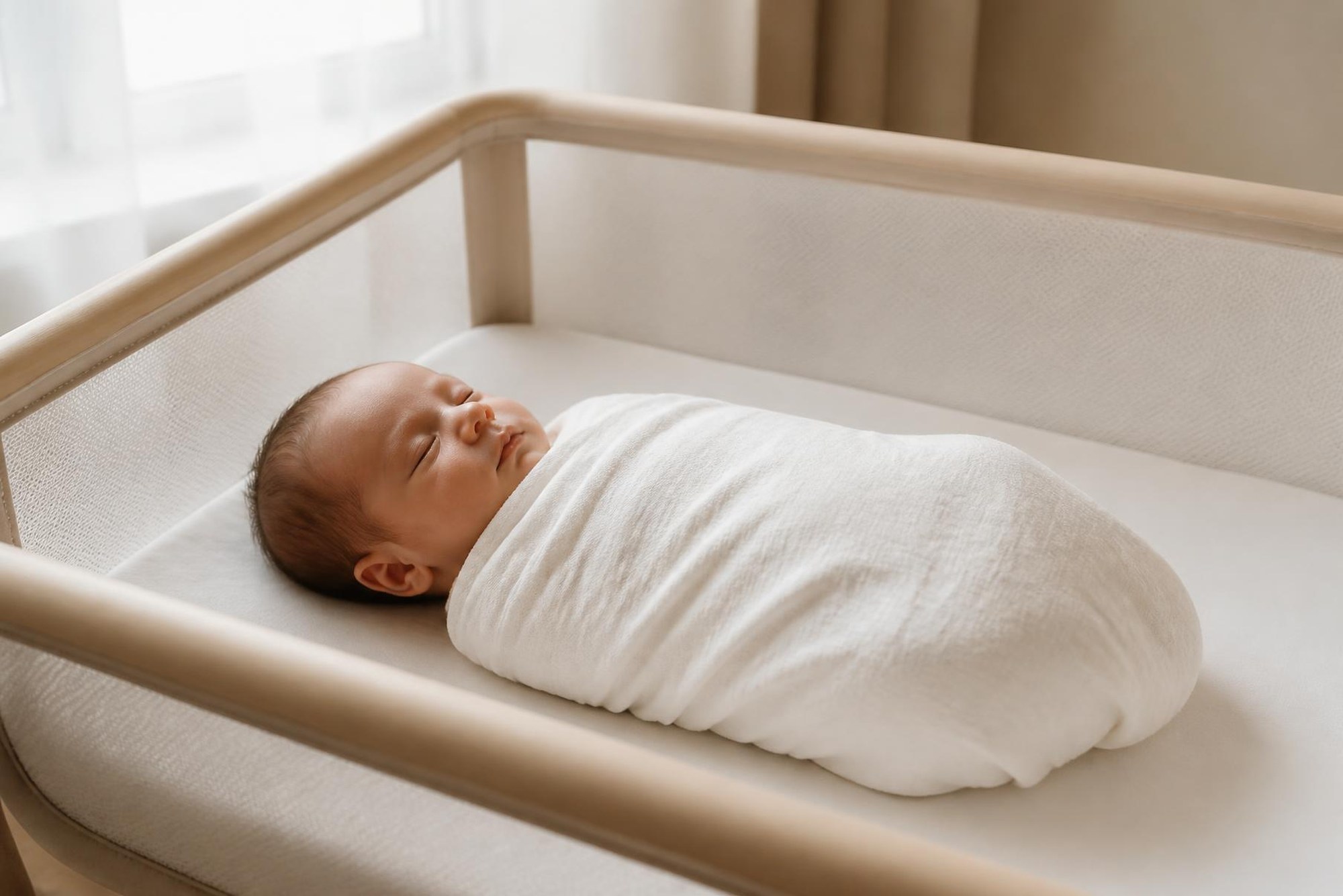
Of all the small sleep milestones in the first year, the swaddle-to-sleeping-bag transition is the one parents stall on most. It's understandable — the swaddle is the magic that's been making bedtime work. The good news: with a few gentle steps, most Australian babies adjust to a sleeping bag within a week, and many sleep even better afterwards.
When to make the move
Two triggers tell you it's time:
- Rolling. The moment baby can roll back-to-tummy, swaddling must stop — Red Nose Australia is firm on this.
- Age. Around 3–5 months, even if not rolling yet, most babies are ready.
Don't wait past rolling for any reason. A swaddled baby on their tummy can't lift their head or reposition.
Two methods — pick what suits your baby
Method 1: The gradual two-week wean.
- Nights 1–3: swaddle with one arm out.
- Nights 4–6: swaddle with both arms out.
- Night 7+: move to a sleeping bag.
Method 2: The single overnight switch.
Pop the sleeping bag on at bedtime, keep everything else identical (same lullaby, same room, same routine). Expect 1–2 unsettled nights, then full adjustment. Some babies actually prefer this — less drawn-out adjustment.
Australian tog guide
Dressing for the room matters more than the season:
- 0.5 tog: hot rooms (24°C+) — singlet underneath.
- 1.0 tog: shoulder seasons (20–24°C) — short-sleeve onesie.
- 2.5 tog: cold winter rooms (under 20°C) — long-sleeve onesie.
- 3.5 tog: very cold rooms (under 16°C) — long-sleeve onesie plus pyjamas.
Check baby's chest (not hands) — warm but not sweaty is the goal.
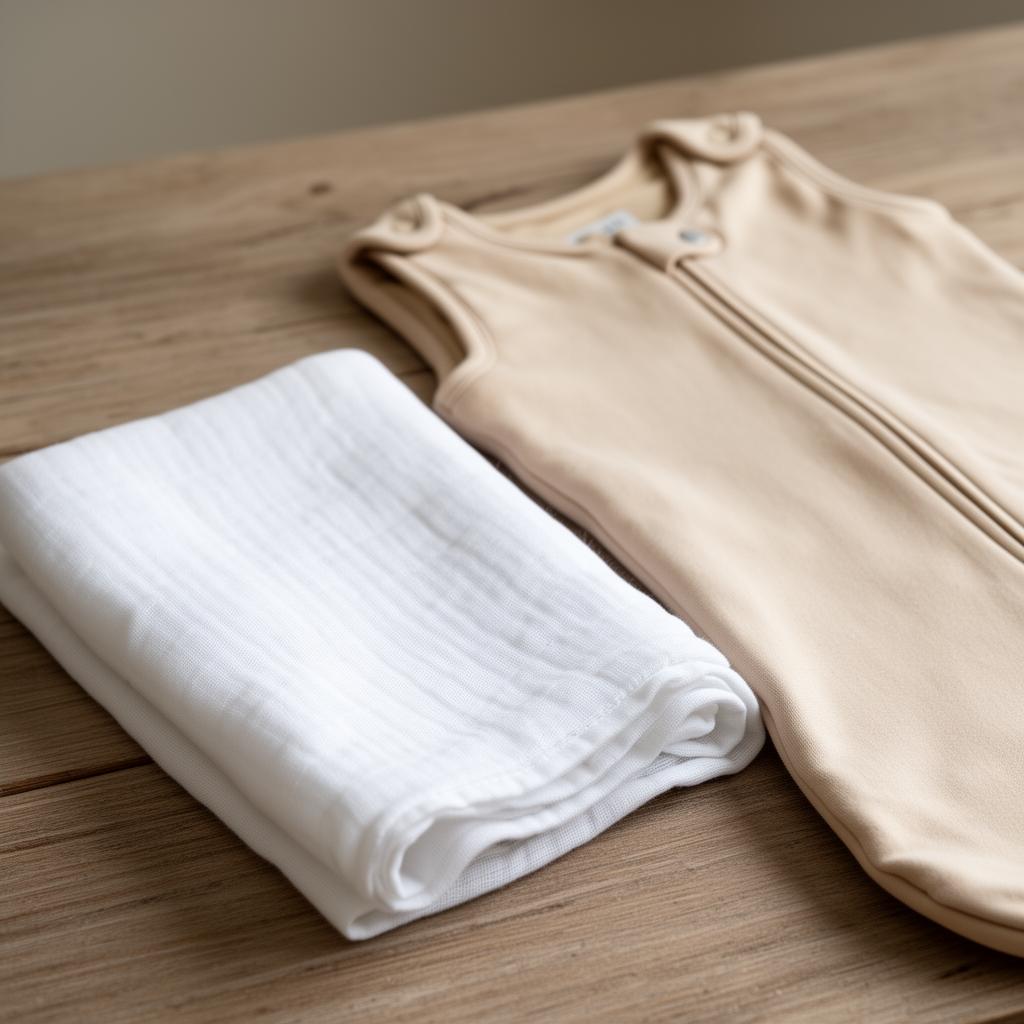

Sample: Olivia's lullaby
Keep the Lullaby Identical Through the Switch
The single thing that makes transitions easier is keeping one big cue exactly the same. A familiar personalised lullaby is that anchor.
- Instant digital delivery
- Secure checkout
- Trusted by families worldwide
- Free preview before you buy
What to expect
- Nights 1–2: baby may startle awake more (the Moro reflex). Settle quickly and consistently.
- Nights 3–5: usually a noticeable improvement.
- Nights 6–7: back to baseline or better.
If sleep is still rough after 10 nights, check temperature, wake windows and feeding before assuming it's the swaddle change.
Common mistakes
- Going back to the swaddle "just for tonight" — almost always extends the transition by a week.
- Changing tog at the same time as removing the swaddle.
- Choosing a sleeping bag that's too big (baby slides down inside).
- Skipping the gentle wind-down because "it's just a bag change".
Keep every other cue identical
The smoother transitions all share one thing: the parent keeps everything else exactly the same. Same lullaby, same room, same time, same person settling. If you've been using a calming sleep music for babies cue, this is the week to lean on it hardest.
Pulling it together
The swaddle-to-sleeping-bag transition is rarely as hard as parents fear. Pick a method, hold the line for a week, and keep your personalised lullaby playing the same way it always has. Most babies emerge the other side sleeping better — and your nights get easier from there.
Frequently Asked Questions
When should I transition my baby from swaddle to sleeping bag?
Most Australian babies are ready between 3 and 5 months — earlier if they show signs of rolling. The rolling readiness check is non-negotiable: once baby can roll from back to tummy, swaddling must stop immediately for safe sleep.
How do I move my baby from swaddle to sleeping bag without losing sleep?
Use a transitional sleeping bag with arms (or arms free in a regular bag) for 5–7 nights, keep the rest of the wind-down identical (same lullaby, same room, same temperature) and expect 1–2 unsettled nights mid-transition.
What tog sleeping bag should I use in Australia?
0.5 tog for warm summer nights (room over 24°C), 1.0 tog for shoulder seasons (20–24°C), 2.5 tog for cold winter nights (under 20°C). Always check baby's chest, not hands, to confirm temperature.
Can I do the swaddle-to-bag transition gradually?
Yes — many parents do 'one arm out' for 2–3 nights, then 'both arms out' for 2–3 nights, then move to a sleeping bag. Other babies cope better with a single overnight switch. Both approaches are gentle.
Does a familiar lullaby help with the transition?
Yes — keeping every other sleep cue identical (especially a familiar personalised lullaby) gives your baby a stable anchor while their body adjusts to having arms free.

Sample: Liam's lullaby
Create Your Baby's Personalised Lullaby
A soothing, personalised lullaby made just for your little one — with their name, gentle vocals, and calming melodies designed to help them drift off to sleep.
- Instant digital delivery
- Secure checkout
- Trusted by families worldwide
- Free preview before you buy

Personalised Bedtime Story
A Story Made Just for Them at Bedtime
A magical bedtime story featuring your child's name, favourite things and unique details — created in minutes.
Create My Child's Story ✨
Personalised Sleep Plan
Get Your Baby's Personalised Sleep Plan
Answer a few quick questions about your baby's age, naps, and mood — and get a tailored bedtime plan with suggested sleep windows and settling tips.
Generate Sleep Plan 🌙🌙 Related Baby Sleep Guides
Why Babies Sleep Better with Lullabies
Discover why lullabies help babies sleep better. Learn the science behind personalised baby lullabies, parent-voice bonding, and how to build a calming bedtime routine.
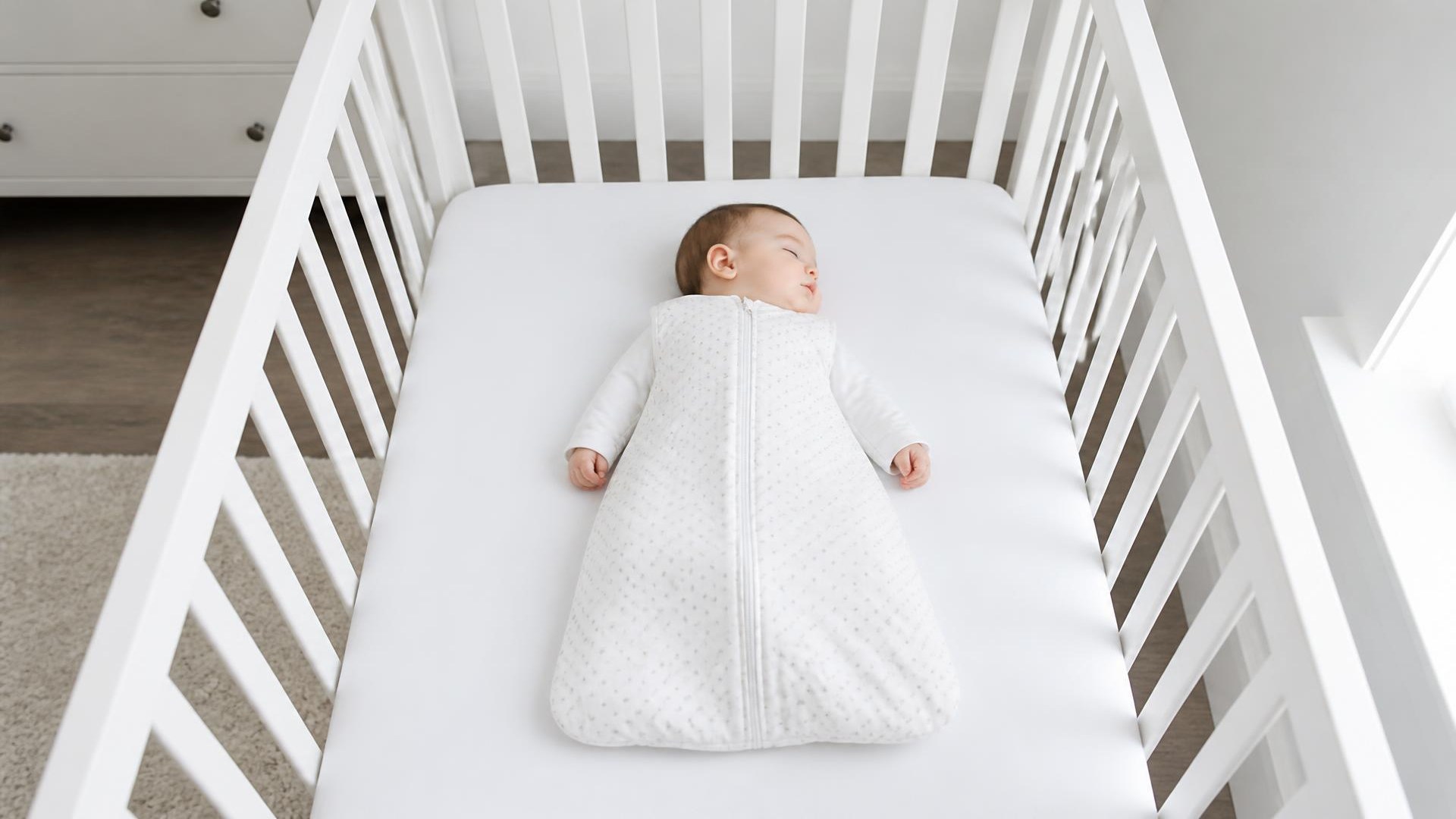
Safe Sleep Guidelines in Australia: A Plain-English Red Nose Summary
A plain-English summary of Australia's Red Nose safe sleep guidelines — back sleeping, clear cots, room sharing, temperature and how music fits in safely.
Sleep Music for Babies | Personalise Lullaby for Baby to Fall Asleep | Mozart
Helping a baby fall asleep peacefully is one of the most common challenges parents experience. Discover how gentle sleep music, Mozart, and personalised lullabies help babies sleep.