Baby Sleep Music
Baby sleep music is one of the simplest, most evidence-backed sleep tools Australian parents have. The right track, played the right way, can cut settle time from 30 minutes to under 10 — without sleep training, without props, without tears.
But not all music works. Bright nursery rhymes, fast tempos and rotating playlists actually wake babies up. Here's what to play, how to play it, and why a personalised lullaby with your baby's name beats every Spotify playlist on the market.
1. What baby sleep music actually does
Music affects three things that govern infant sleep: heart rate, breathing rate, and cortisol (the stress hormone). Slow music — under 80 BPM — pulls all three downward within minutes. That's the physiological doorway to sleep.
Layer in repetition night after night, and your baby builds a conditioned response: the music plays → sleep follows. That's why one good track beats a 50-song playlist.
2. White noise vs lullabies vs personalised songs
- White noise — masks household sound. Best overnight at low volume. Doesn't actively settle, just removes wake-ups. See lullaby vs white noise.
- Classical / instrumental — calming but unpredictable in tempo. Mozart and Brahms work, modern classical compilations often don't.
- Lullabies — purpose-built for sleep: 70–80 BPM, soft adult vocal, sparse arrangement.
- Personalised lullabies — same as above, but with your baby's name woven into the chorus. The name becomes the sleep cue. Strongest option for nightly use.
3. The tempo, vocals and instruments that actually calm a baby
Three things separate sleep music from "kids music":
- Tempo: 60–80 BPM (resting heart rate). Anything faster is daytime music.
- Vocals: soft adult voice — not children's choir, not synthesised. Babies are wired to settle to adult vocal tone.
- Instruments: felt piano, soft strings, gentle harp. No percussion, no bright synths, no horns.
4. How to use baby sleep music safely
Red Nose Australia's safe-sleep guidance applies to sound too. The basics:
- Keep volume around 50 dB — quieter than a normal conversation.
- Place the speaker at least 2 metres from the cot.
- Loop or play for the first 20–30 minutes of sleep, then let it fade. You don't need it on all night.
- Use the same track every night. Variety undermines the cue.
Full breakdown in our safe sleep guidelines Australia guide.
5. Why personalised baby sleep music works better
Babies recognise their name as early as 4–5 months. When that name is sung — gently, repeatedly, in the chorus of a slow lullaby — it stops being just a word and starts being a sleep trigger.
That's the entire premise of custom baby songs for sleep and personalised bedtime music for babies. Generic music helps. Personalised music helps faster.
6. A simple nightly routine that uses baby sleep music well
- Dim the room 20 minutes before bed.
- Start the lullaby as you begin the last feed or cuddle.
- Place baby in the cot drowsy but awake (see drowsy but awake method).
- Let the same track loop for 20–30 minutes.
- Repeat. Every. Night.
Within 5–7 nights, the music itself starts settling your baby before you've even left the room.

Sample: Olivia's lullaby
Create Your Baby's Personalised Sleep Music
A 3-minute lullaby with your baby's name, slow tempo, soft adult vocal — the format that actually works. Yours forever, from $59.99 AUD.
- Instant digital delivery
- Secure checkout
- Trusted by families worldwide
- Free preview before you buy
Frequently Asked Questions
What is the best baby sleep music?
Slow, repetitive music in the 60–80 BPM range with soft adult vocals or gentle felt piano. Personalised lullabies that include your baby's name work even better because the name acts as a sleep cue your baby learns to associate with bedtime.
Is it OK to play music all night for a baby?
Red Nose Australia recommends keeping nursery sound at a safe, low volume (around 50 dB — about the level of a quiet conversation) and placing the speaker at least 2 metres from the cot. Many parents loop a lullaby or soft music for the first 30–60 minutes and let it fade naturally.
What music helps a baby sleep fastest?
The same piece, every night. Babies fall asleep faster to repetition than to variety. A single 3-minute lullaby looped for 20–30 minutes outperforms a long shuffled playlist.
Does baby sleep music actually work for newborns?
Yes — newborns are highly responsive to rhythmic, womb-like sound. Slow lullabies and gentle white-noise blends help regulate breathing and trigger drowsy cues within minutes.
Lullaby, white noise or classical — which is best?
White noise masks household sound, classical is calming but unpredictable, and a personalised lullaby builds a conditioned sleep response. For most Australian families the best mix is a personalised lullaby at bedtime + low white noise overnight.
Sample: Olivia's lullaby
Create Your Baby's Personalised Lullaby
A soothing, personalised lullaby made just for your little one — with their name, gentle vocals, and calming melodies designed to help them drift off to sleep.
- Instant digital delivery
- Secure checkout
- Trusted by families worldwide
- Free preview before you buy
Personalised Bedtime Story
A Story Made Just for Them at Bedtime
A magical bedtime story featuring your child's name, favourite things and unique details — created in minutes.
Create My Child's Story ✨
Personalised Sleep Plan
Get Your Baby's Personalised Sleep Plan
Answer a few quick questions about your baby's age, naps, and mood — and get a tailored bedtime plan with suggested sleep windows and settling tips.
Generate Sleep Plan 🌙🌙 Related Baby Sleep Guides
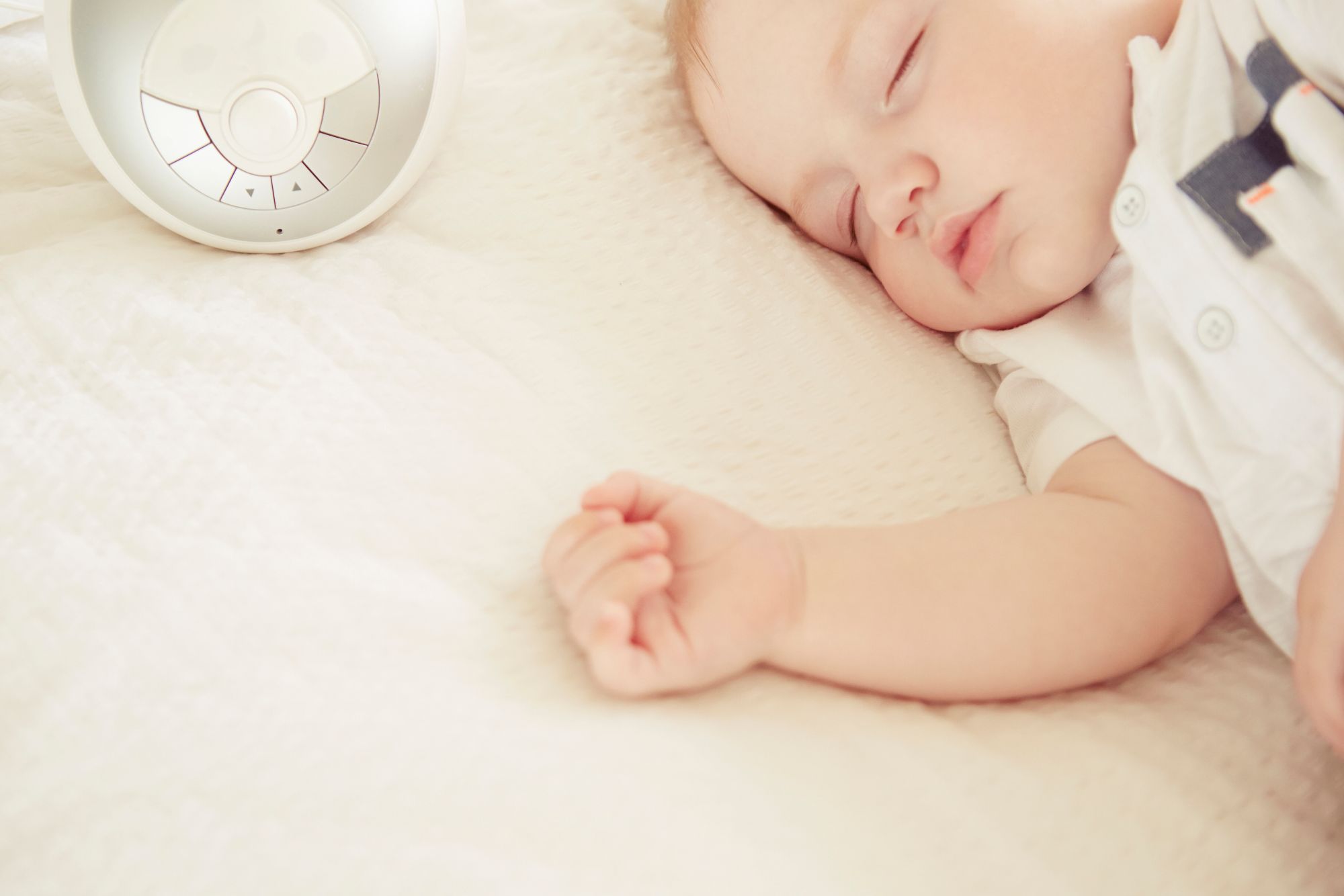
Why Babies Sleep Better with Lullabies
Discover why lullabies help babies sleep better. Learn the science behind personalised baby lullabies, parent-voice bonding, and how to build a calming bedtime routine.
Personalised Baby Lullabies Australia — The Complete Guide
The complete Australian guide to personalised baby lullabies — what they are, how they work, what they cost in AUD, and why they out-settle generic sleep music.
Baby Sleep Music: Why Tempo (BPM) Matters
Baby sleep music tempo explained — why 60–80 BPM is the sweet spot, how slower tempos entrain heart rate, and what to look for in a sleep track.