
The Best Bedtime Routine for a 6 Month Old — An Australian Guide
Six months is the age when a bedtime routine starts paying back enormous dividends. Sleep cycles are mature, daytime naps have settled, and your baby is now wired to respond to familiar cues. The right 30-minute routine can turn a 45-minute settle into a 10-minute one — every single night.
Here's the calmest, simplest bedtime routine for a 6-month-old, designed for Australian homes.
The right bedtime window
For most 6-month-olds, the magic window is 6:00–7:00pm. Earlier (5:45pm) on days with bad naps; later (7:00pm) on days with a great long lunch nap. Anything past 7:30pm tips into overtired territory and the whole evening unravels.
The 5-step routine
- 5:30pm — Bath or warm wipe-down. Doesn't need to be every night. Five minutes is plenty.
- 5:45pm — PJs and sleeping bag. In a dim-lit room. The room is your runway.
- 5:50pm — Milk feed. Breast or bottle. Out of the cot. No lights bright enough to read by.
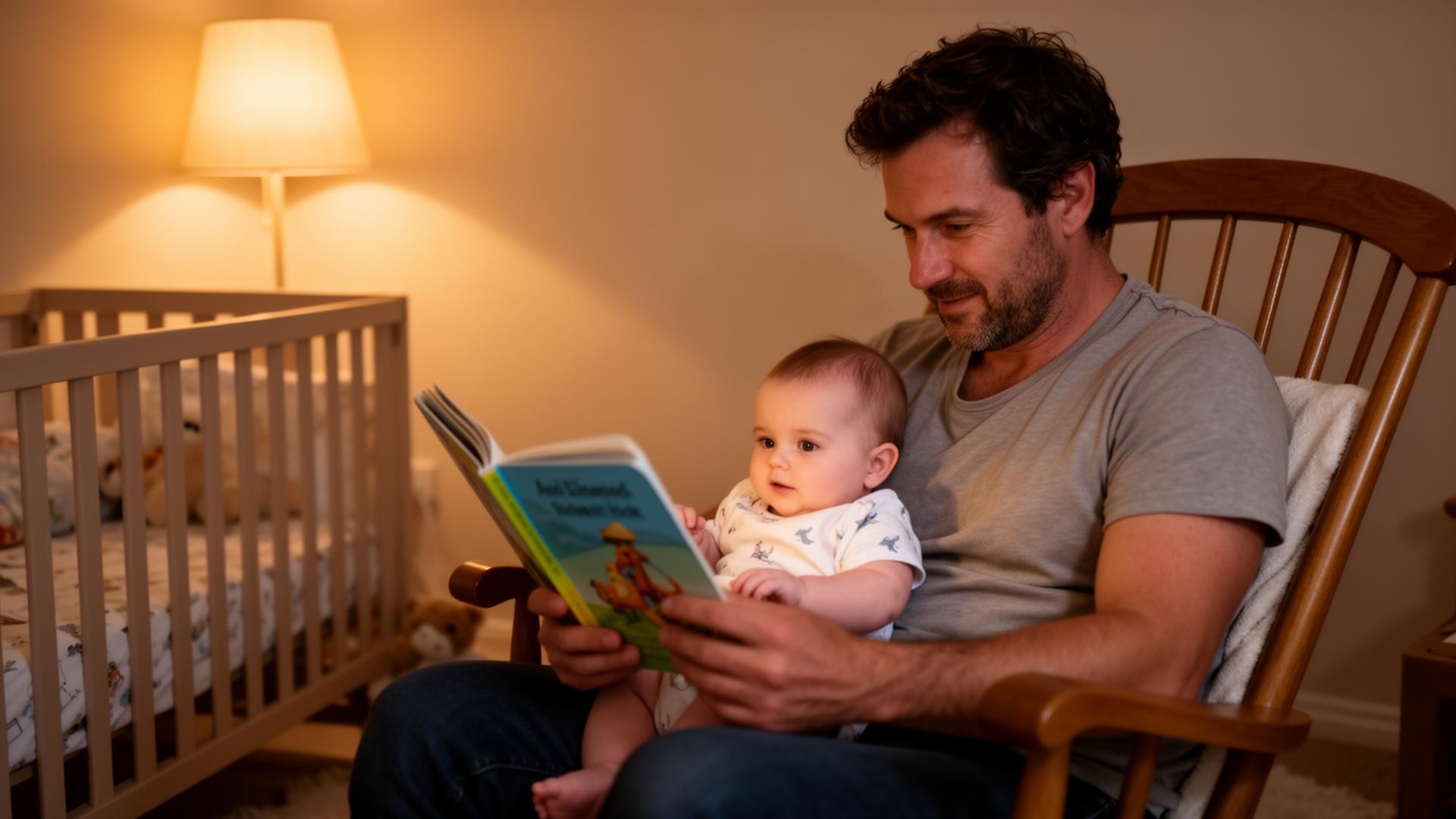
- 6:05pm — Short story or cuddle. Three minutes. Same book every night for a month works wonders.
- 6:10pm — Lullaby and cot. Pop on the same personalised lullaby. Quick cuddle, into the cot drowsy but awake.
Total time: 25–35 minutes. The order matters more than the exact minutes.
Why each step works
- Bath: the post-bath core-temperature drop triggers melatonin release.
- Dim lights: reinforces the melatonin signal.
- Feed out of the cot: prevents feeding becoming the only way to sleep.
- Story or cuddle: emotional connection before separation.
- Same lullaby every night: the strongest sleep cue you can give a 6-month-old.


Sample: Olivia's lullaby
Lock in the Last Step with a Personalised Lullaby
A lullaby with your baby's name played the same way every night becomes the single biggest sleep cue of their day.
- Instant digital delivery
- Secure checkout
- Trusted by families worldwide
- Free preview before you buy
Nap timing that supports bedtime
For a clean 6:30pm bedtime, aim for:
- Morning nap around 9:00–10:00am (45–60 min).
- Long lunch nap around 12:30–2:30pm (1.5–2 hr).
- Short third nap around 4:00–4:30pm (20–30 min) — fade out from 7 months.
Wake windows: roughly 2.5–3 hours by 6 months. For more, see our wake windows by age guide.
Australian-specific notes
- Daylight saving switch: shift bedtime by 10 minutes a day for a week before the change.
- Summer evenings: blockout curtains and a fan-cooled room beat a "later bedtime in summer".
- Bushfire smoke or storms: a soft lullaby played continuously masks the noise without raising room temperature.
What changes between 6 and 12 months
Around 7–8 months the third nap drops, pushing bedtime slightly earlier. Around 9 months the morning nap shortens. By 11–12 months most babies are on one long midday nap and a 6:30pm bedtime. The routine itself stays almost identical — only the timings shift.
Pulling it together
A great 6-month-old bedtime routine is short, identical every night, and anchored to a sound your baby genuinely recognises. If you want to make that anchor as powerful as possible, a personalised lullaby with your baby's name — sung in a familiar voice — is the most reliable bedtime cue we know. Combine it with a calm wind-down and the rest of the evening takes care of itself.
Frequently Asked Questions
What time should a 6 month old go to bed in Australia?
Most 6-month-olds in Australia do best with a bedtime between 6:00pm and 7:00pm. The exact time depends on the day's nap quality — shorter naps usually mean an earlier bedtime around 6:00pm.
How long should a bedtime routine be for a 6 month old?
Around 25–35 minutes is the sweet spot. Long enough to wind down — short enough that baby doesn't become overtired waiting. Bath, feed, story, lullaby, cot is the classic sequence.
Should I include a feed in the bedtime routine?
Yes — most 6-month-olds still have a milk feed (breast or bottle) as part of bedtime. Offer it before the lullaby, not in the cot, to avoid feed-to-sleep associations.
How many naps does a 6 month old need?
Two to three naps a day, totalling around 2.5–3.5 hours, supports a 6:30pm bedtime. The last nap should usually end by 4:30pm to protect bedtime.
Can a lullaby be the last step of the routine?
Yes — and it's one of the most effective places for it. A personalised lullaby played for the final 5 minutes before cot signals 'sleep is here' and helps baby settle independently.

Sample: Liam's lullaby
Create Your Baby's Personalised Lullaby
A soothing, personalised lullaby made just for your little one — with their name, gentle vocals, and calming melodies designed to help them drift off to sleep.
- Instant digital delivery
- Secure checkout
- Trusted by families worldwide
- Free preview before you buy

Personalised Bedtime Story
A Story Made Just for Them at Bedtime
A magical bedtime story featuring your child's name, favourite things and unique details — created in minutes.
Create My Child's Story ✨
Personalised Sleep Plan
Get Your Baby's Personalised Sleep Plan
Answer a few quick questions about your baby's age, naps, and mood — and get a tailored bedtime plan with suggested sleep windows and settling tips.
Generate Sleep Plan 🌙🌙 Related Baby Sleep Guides
Why Babies Sleep Better with Lullabies
Discover why lullabies help babies sleep better. Learn the science behind personalised baby lullabies, parent-voice bonding, and how to build a calming bedtime routine.

Newborn Wake Windows by Age: An Australian Sleep Guide
An Australian parent's guide to newborn wake windows by age — how long babies should be awake from 0–12 months, with tired-sign cues and gentle settling tips.

Transitioning Your Baby to Their Own Room — A Gentle Australian Guide
When and how to transition your baby to their own room in Australia — Red Nose timing, gentle steps, monitors, and the lullaby trick that smooths the move.