

Transitioning Your Baby to Their Own Room — A Gentle Australian Guide
Moving your baby into their own room is a quietly emotional milestone. For some families it feels overdue. For others, it's the hardest goodbye of the first year. Whatever camp you're in, the move itself is usually much smoother than the build-up — especially if you set it up gently.
Here's the Australian parent's guide to making the transition feel safe for both your baby and you.
When to do it
Red Nose Australia recommends room sharing (not bed sharing) for the first 6–12 months — it's associated with around a 50% lower SUDI risk. After 6 months, the protective effect tapers significantly, and many families start to plan the move.
The sweet spot for most Australian babies is 6–9 months: nights have consolidated, the 4-month regression is behind you, and most babies are in a full-size cot rather than a bassinet.
Setting up the new room
- Cot meets Australian Standard AS/NZS 2172.
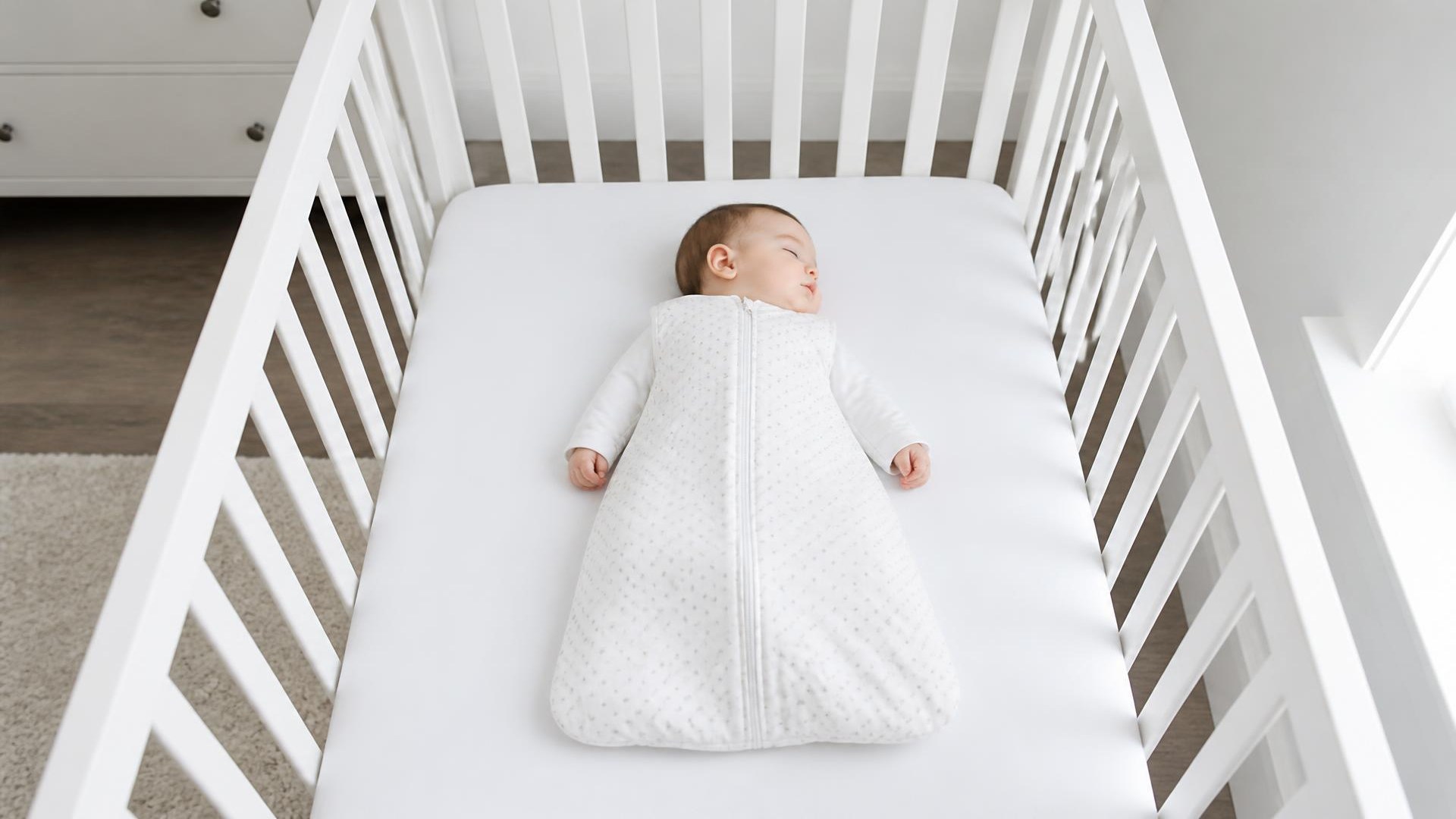
- Completely clear cot — no bumpers, pillows, soft toys, doonas.
- Room temperature 20–22°C; blockout curtains; gentle night light outside the cot.
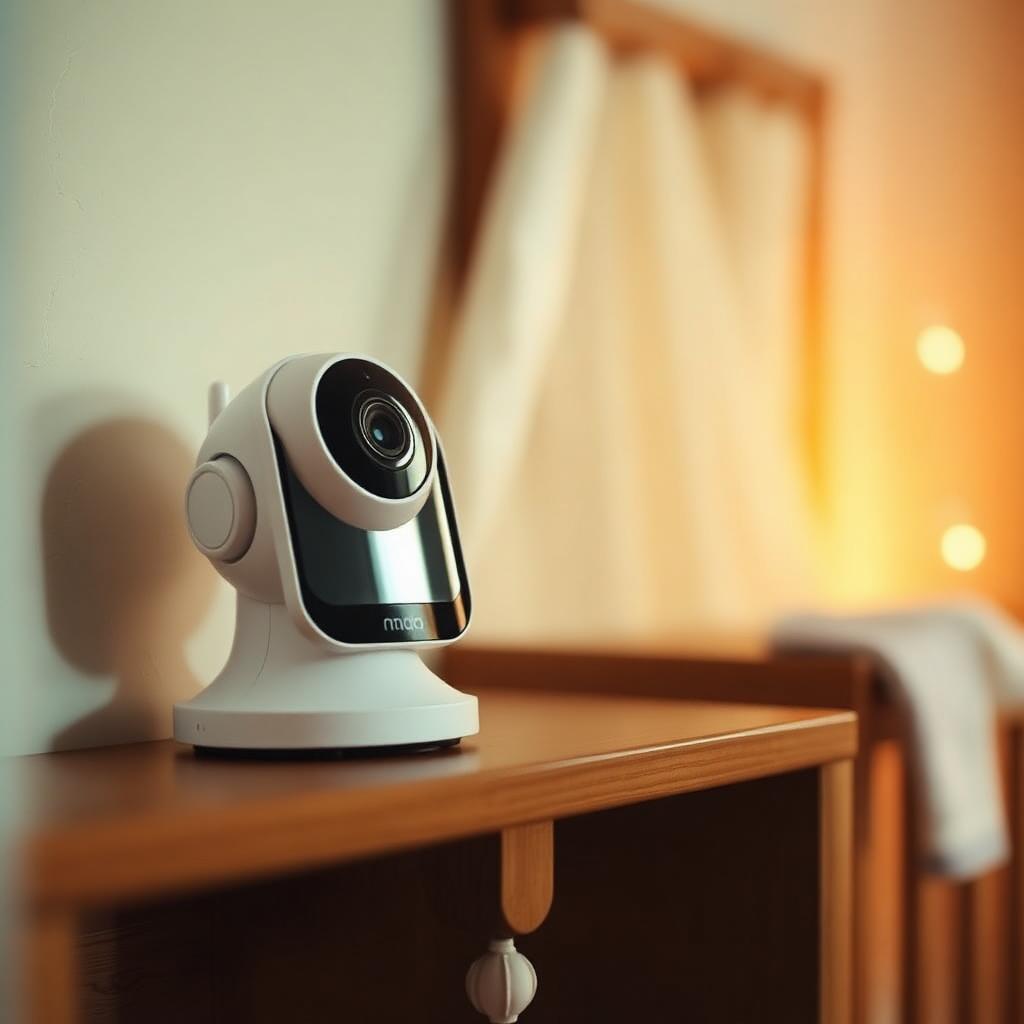
- Baby monitor with clear audio (video optional).
- Same sleeping bag and same sound cues as your room.
For full safety detail, see our guide to Australian safe sleep guidelines.
The 7-day gentle transition plan
- Days 1–2: daytime naps in the new room. Baby keeps sleeping in your room overnight.
- Days 3–4: continue naps; spend awake time in the new room (play, story, cuddle).
- Day 5: first night in the new room. Identical bedtime routine, same lullaby, same sleeping bag.
- Days 6–7: hold steady. Settle quickly to any wakes but don't change rooms back.
Most babies adjust within 5–7 nights. A small wobble on nights 2–3 is normal — stay consistent.

Sample: Olivia's lullaby
Carry the Same Lullaby Into the New Room
A familiar personalised lullaby is the single biggest thing that makes a new room feel safe. Same sound, new space — sleep stays anchored.
- Instant digital delivery
- Secure checkout
- Trusted by families worldwide
- Free preview before you buy
What helps the most
- Same sound, every sleep. A lullaby that travels with baby anchors safety to sound, not place.
- Same sleeping bag. The familiar fabric carries your baby's scent.
- Identical wind-down sequence. Bath, feed, story, lullaby, cot — in that order.
- Don't sneak out. A clear "goodnight" actually helps babies feel settled.
What to do at night wakes
Respond exactly as you did before the move — same hand on the chest, same shush, same short feed if needed. Avoid bringing baby into your room or bed the first week; even one trip back can stretch the transition by days. If wakes persist beyond 7–10 nights, check room temperature, light leaks and the monitor first before changing your settling approach.
Your own adjustment
Moving baby out is a big emotional shift. It's normal to check the monitor obsessively for the first week. Some Australian parents put the monitor a metre away from the bed so they're not staring at it all night. By week three, most families sleep more deeply than they have in months.
Pulling it together
A gentle transition leans on consistency. Same lullaby, same sleeping bag, same wind-down — different room. If you want a calming sound your baby genuinely recognises, a personalised lullaby with their name is the most powerful version of "this is your sleep" you can give them. Pair it with the best music for baby sleep for the first few nights and the transition usually disappears in under a week.
Frequently Asked Questions
When should my baby move to their own room in Australia?
Red Nose Australia recommends room sharing for at least the first 6 months and ideally the first 12 months. Many Australian families transition between 6 and 12 months, when night sleep has consolidated and the baby is in a full-size cot.
Is it safe to move my baby to their own room?
Yes — provided the new room is set up to Red Nose safe-sleep standards: firm flat mattress, clear cot, room temperature 20–22°C, and a baby monitor so you can hear them clearly. The risk reduction of room sharing tapers significantly after 6 months.
How do I transition my baby to their own room gently?
Set up the new room ahead of time, do daytime naps there first for a week, keep your bedtime routine identical, use the same sleep cues (lullaby, sleeping bag, sound) and stay for the first few settle-downs. Most babies adjust within 5–7 nights.
Will my baby sleep worse in their own room?
Often the opposite — many babies sleep better once they're not being disturbed by parents' movement, snoring or phone notifications. Some have a brief wobble for 2–3 nights as they adjust to the new environment.
Can a familiar lullaby help with the transition?
Yes — playing the same personalised lullaby that's been used in your room helps your baby anchor 'sleep time' to the sound rather than the room. It's one of the smoothest ways to make the new space feel safe.

Sample: Kiara's lullaby
Create Your Baby's Personalised Lullaby
A soothing, personalised lullaby made just for your little one — with their name, gentle vocals, and calming melodies designed to help them drift off to sleep.
- Instant digital delivery
- Secure checkout
- Trusted by families worldwide
- Free preview before you buy

Personalised Bedtime Story
A Story Made Just for Them at Bedtime
A magical bedtime story featuring your child's name, favourite things and unique details — created in minutes.
Create My Child's Story ✨
Personalised Sleep Plan
Get Your Baby's Personalised Sleep Plan
Answer a few quick questions about your baby's age, naps, and mood — and get a tailored bedtime plan with suggested sleep windows and settling tips.
Generate Sleep Plan 🌙🌙 Related Baby Sleep Guides

Why Babies Sleep Better with Lullabies
Discover why lullabies help babies sleep better. Learn the science behind personalised baby lullabies, parent-voice bonding, and how to build a calming bedtime routine.
Safe Sleep Guidelines in Australia: A Plain-English Red Nose Summary
A plain-English summary of Australia's Red Nose safe sleep guidelines — back sleeping, clear cots, room sharing, temperature and how music fits in safely.
The Best Bedtime Routine for a 6 Month Old — An Australian Guide
A simple, calming bedtime routine for a 6 month old in Australia — exact timing, the five proven steps, nap timing and the lullaby that locks it in.