Calming Songs for Newborns
Calming a newborn is a process of elimination. You feed, you change, you cuddle, you swaddle — and somewhere in that loop, the right music can shave 10 minutes off settling. Here's what actually calms newborn nervous systems, and how a personalised lullaby fits in.
The science of newborn calm
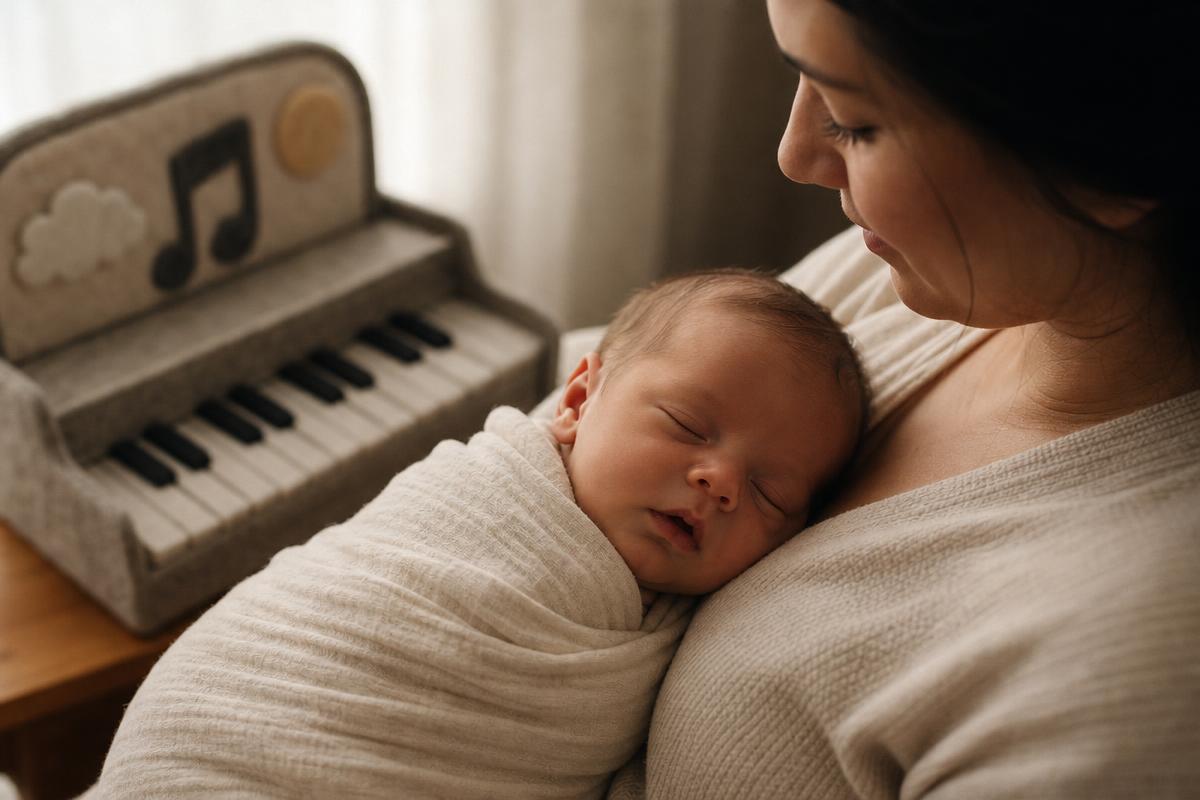
Newborns spent 9 months in a noisy, muffled, rhythmic environment. The sounds that most reliably calm them mimic that — low-frequency, slow-tempo, repetitive. Felt piano, music box and soft humming all hit this target.
The top calming song types
- Pure Piano persona — felt piano with soft female vocals; the universal newborn classic.
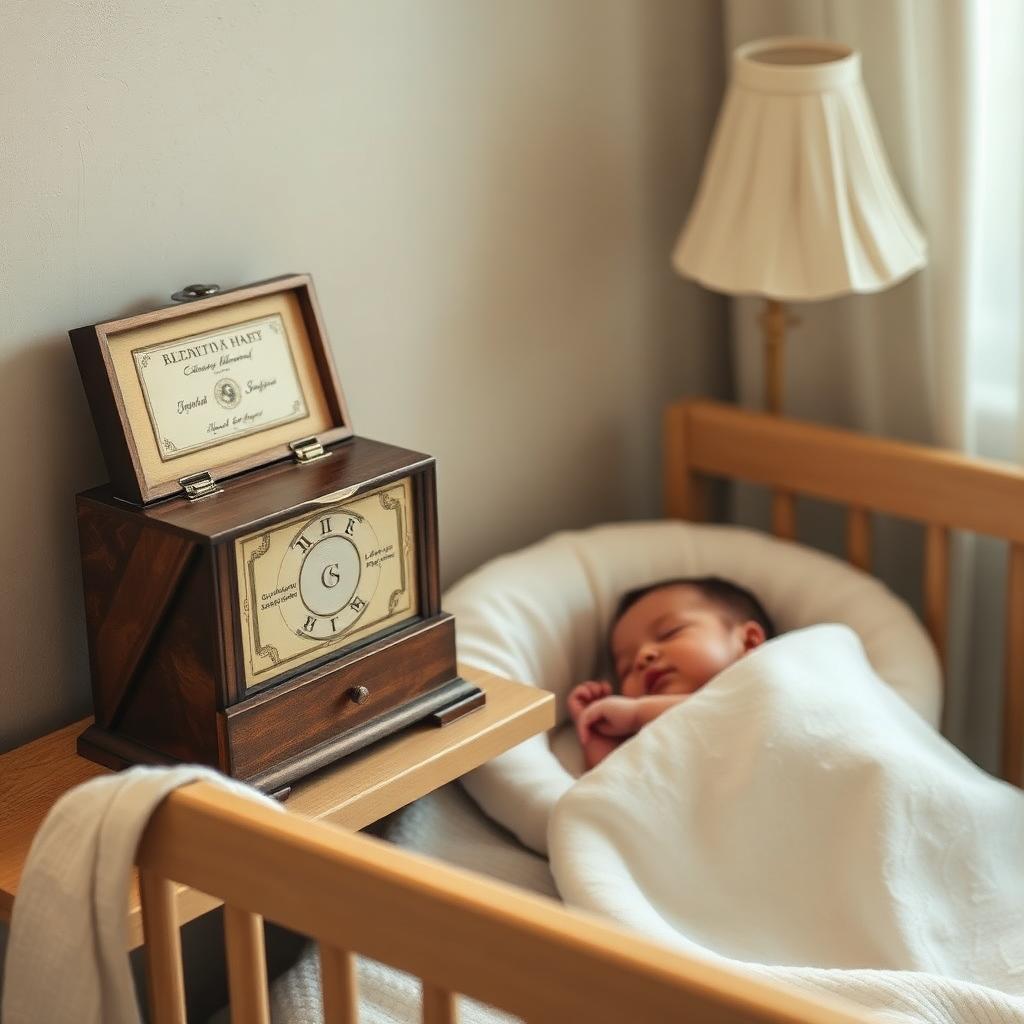
- Music Box persona — delicate tinkling melody, perfect for nap transitions.
- Classical strings — warm orchestral lullabies (Brahms, Schubert) at lullaby tempo.
- Ocean Waves theme — rhythmic ambient swells under any lullaby; brilliant for fussy late afternoons.
How to use them at bedtime
Play the same song every settle — same volume, same speaker placement. Within a week, your newborn will start to relax the moment the first notes play. By 4 months, when they recognise their own name, a personalised lullaby becomes the strongest cue you've got.
For Noah, 6 weeks old
Noah's parents in Perth picked the Music Box persona with the Soft Rain theme. Volume on a Bluetooth speaker placed 1.5m from the bassinet. Settling time before: 18 minutes of bouncing. After two weeks of consistent use: 6 minutes. See our newborn wake windows guide for the full timing picture, or lullaby vs white noise.
Sample: Olivia's lullaby
Create a Calming Lullaby for Your Newborn
Pure Piano or Music Box persona, with your baby's name woven into the melody. From $59.99 AUD.
- Instant digital delivery
- Secure checkout
- Trusted by families worldwide
- Free preview before you buy
Frequently Asked Questions
What music calms newborns most reliably?
Slow, simple melodies in the 75–85 BPM range with soft female vocals and minimal instrumentation. Felt piano and music box top the list because the timbre most closely mimics womb-muffled sound.
How loud should calming songs be?
About the volume of a soft shower — roughly 50 dB measured at the cot mattress. Loud enough to mask household noise, quiet enough to never strain newborn hearing.
Can I play calming songs all night?
Yes, on low loop. Many AU parents use a 60-minute loop download to bridge sleep cycles. Place the speaker at least 1 metre from the cot.
Is a personalised lullaby better than generic calm music?
For settling, yes — once your baby is 3-4 months old and recognising their name, the personalised version becomes a stronger cue than any generic track.
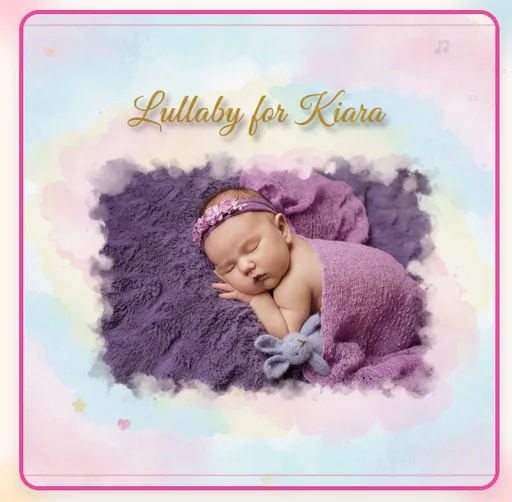
Sample: Kiara's lullaby
Create Your Baby's Personalised Lullaby
A soothing, personalised lullaby made just for your little one — with their name, gentle vocals, and calming melodies designed to help them drift off to sleep.
- Instant digital delivery
- Secure checkout
- Trusted by families worldwide
- Free preview before you buy
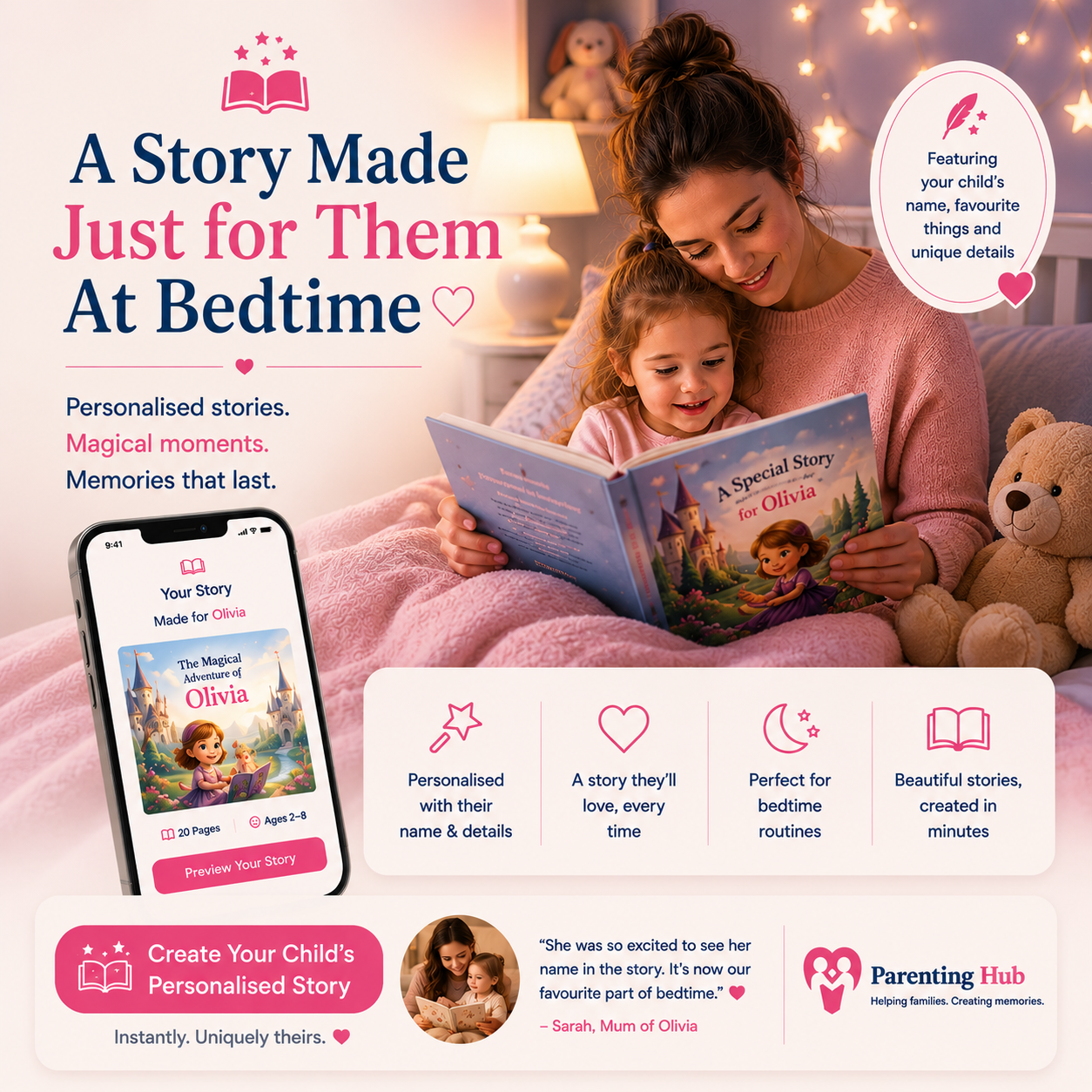
Personalised Bedtime Story
A Story Made Just for Them at Bedtime
A magical bedtime story featuring your child's name, favourite things and unique details — created in minutes.
Create My Child's Story ✨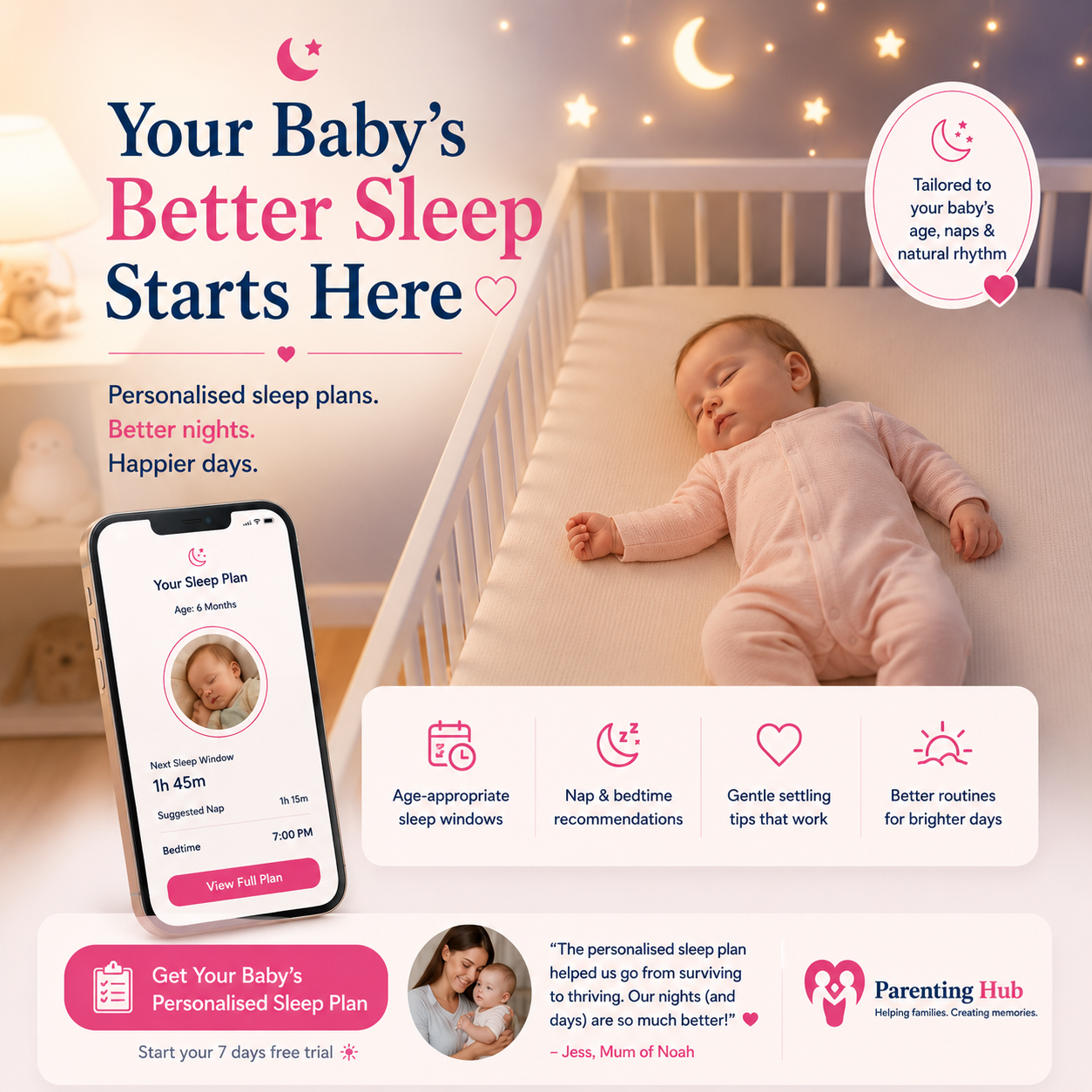
Personalised Sleep Plan
Get Your Baby's Personalised Sleep Plan
Answer a few quick questions about your baby's age, naps, and mood — and get a tailored bedtime plan with suggested sleep windows and settling tips.
Generate Sleep Plan 🌙🌙 Related Baby Sleep Guides
Why Babies Sleep Better with Lullabies
Discover why lullabies help babies sleep better. Learn the science behind personalised baby lullabies, parent-voice bonding, and how to build a calming bedtime routine.
Newborn Wake Windows by Age: An Australian Sleep Guide
An Australian parent's guide to newborn wake windows by age — how long babies should be awake from 0–12 months, with tired-sign cues and gentle settling tips.
Personalised Lullaby With Your Baby's Name — How It Works
How a personalised lullaby with your baby's name works — vocal personas, themes, parent voice greeting, loop downloads — and why it helps Australian babies sleep.