
The Dream Feed: A Gentle Guide for Australian Newborn Parents
Of all the night-sleep tricks Australian parents pass between themselves at mothers' group, the dream feed is one of the most loved. Done well, it stretches your first sleep cycle to four or five precious hours — often the difference between coping and crawling.
It's also gentle, evidence-friendly and easy to drop when your baby outgrows it. Here's a complete, no-nonsense guide.
For more on the bedtime calm that sets up a great dream feed, our pillar Why Babies Sleep Better with Lullabies is the perfect place to start.
What is a dream feed?
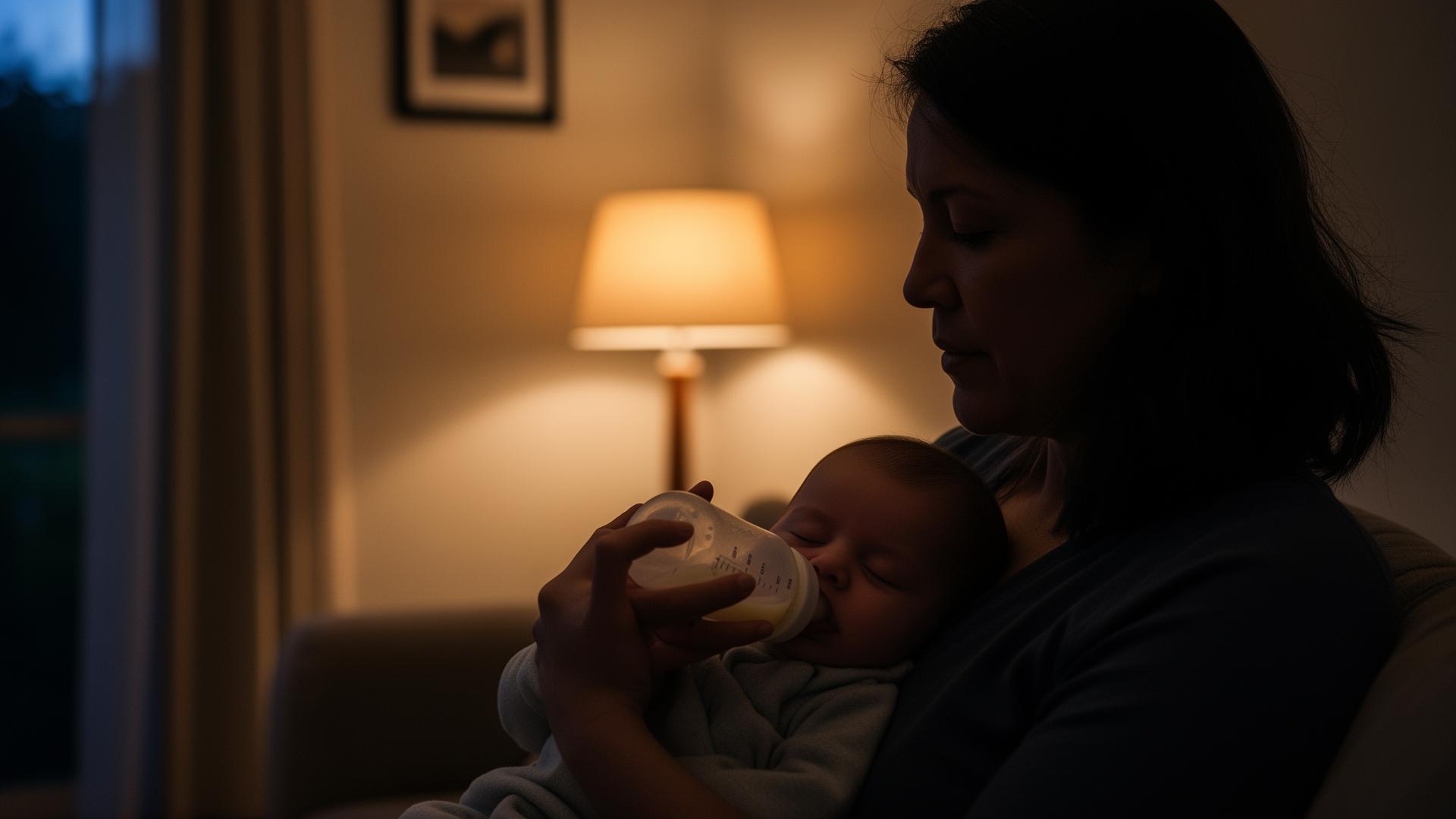
A dream feed is a feed you initiate — usually between 10:00pm and 11:00pm — while your baby is still asleep. You top up their tummy without fully waking them, then settle them straight back into the cot.
The benefit is timing: by feeding before you go to bed, you extend the longest night-sleep stretch into your own sleep, instead of being woken at 12:30am.
When to start
Most Australian families introduce a dream feed between 2 and 8 weeks, once breastfeeding or bottle feeding is well established and the maternal child health nurse is satisfied with weight gain. If you're unsure, ring your local Tresillian or Karitane helpline — both offer free advice across the country.
How to do a dream feed (without waking baby)
- Keep the room dark — no overhead lights, just a soft lamp.
- Leave the swaddle or sleeping bag on if you can.
- Lift baby gently and bring them to the breast or bottle.
- Brush the nipple or teat against their lips to trigger rooting.
- Let them feed sleepily — most newborns will take 60–120ml.
- Burp gently, propped over your shoulder.
- Pop straight back into the cot — no nappy change unless soiled.
A soft lullaby in the background keeps the brain in "this is still sleep time" mode.


Sample: Olivia's lullaby
The Quietest Dream Feeds Have a Soundtrack
A personalised lullaby running softly during the dream feed keeps your baby drowsy and helps them go straight back to deep sleep afterwards.
- Instant digital delivery
- Secure checkout
- Trusted by families worldwide
- Free preview before you buy
Common dream-feed mistakes
- Turning on bright lights — instantly wakes the baby.
- Talking or playing music with lyrics that aren't calming.
- Doing it too late (after midnight defeats the purpose).
- Persisting when baby clearly fights it — that's usually the cue to drop.
When to drop the dream feed
Between 4 and 6 months, most babies signal they're ready. The cues:
- They start waking more after the dream feed rather than less.
- They refuse the feed or only take 30ml.
- They're starting solids and sleeping longer naturally.
Drop cold turkey — gradually reducing the volume rarely works. Most babies adjust within 3–5 nights.
Dream feeds and safe sleep
Always follow Red Nose Australia guidance: place baby on the back, in a clear cot, in a room kept around 20–22°C. Don't feed lying down in your own bed if there's any chance you'll fall asleep — return baby to their own safe sleep space. For more on safe-sleep set-up, see our guide to how sound helps babies sleep.
Pulling it together
Done with low light, gentle hands and a familiar lullaby, the dream feed is one of the simplest gifts you can give yourself in the early months. Try it for five nights, and decide based on what happens — every baby is a little different. If you want a calming, consistent sound to anchor every feed and sleep, you can create your own personalised lullaby in a couple of minutes.
Frequently Asked Questions
What is a dream feed?
A dream feed is a feed offered to a sleeping baby — usually between 10pm and 11pm — without fully waking them. The aim is to top them up before parents go to bed, extending the first long stretch of night sleep.
When can I start dream feeding my newborn?
Most Australian parents introduce a dream feed between 2 and 8 weeks of age, once feeding is established and your maternal child health nurse is happy with weight gains. Always check with your nurse if you're unsure.
How do I dream feed without waking my baby?
Pick them up gently while still swaddled, keep the room dark, brush the breast or bottle teat against their lips to trigger the rooting reflex, and avoid changing the nappy unless it's soiled. Burp them gently and pop them straight back into the cot.
When should I stop dream feeding?
Many parents drop the dream feed between 4 and 6 months as solids are introduced and night sleep consolidates. If your baby starts waking more after the dream feed (or refuses it), it's usually a sign they're ready to drop it.
Does playing a lullaby during the dream feed help?
Yes. A soft, familiar lullaby reinforces that this is still sleep time. It keeps your baby in a drowsy state during the feed and helps them transition straight back to deep sleep afterwards.

Sample: Liam's lullaby
Create Your Baby's Personalised Lullaby
A soothing, personalised lullaby made just for your little one — with their name, gentle vocals, and calming melodies designed to help them drift off to sleep.
- Instant digital delivery
- Secure checkout
- Trusted by families worldwide
- Free preview before you buy

Personalised Bedtime Story
A Story Made Just for Them at Bedtime
A magical bedtime story featuring your child's name, favourite things and unique details — created in minutes.
Create My Child's Story ✨
Personalised Sleep Plan
Get Your Baby's Personalised Sleep Plan
Answer a few quick questions about your baby's age, naps, and mood — and get a tailored bedtime plan with suggested sleep windows and settling tips.
Generate Sleep Plan 🌙🌙 Related Baby Sleep Guides

Why Babies Sleep Better with Lullabies
Discover why lullabies help babies sleep better. Learn the science behind personalised baby lullabies, parent-voice bonding, and how to build a calming bedtime routine.

Newborn Wake Windows by Age: An Australian Sleep Guide
An Australian parent's guide to newborn wake windows by age — how long babies should be awake from 0–12 months, with tired-sign cues and gentle settling tips.

The Best Bedtime Routine for a 6 Month Old — An Australian Guide
A simple, calming bedtime routine for a 6 month old in Australia — exact timing, the five proven steps, nap timing and the lullaby that locks it in.