Why Children Settle When They Hear Their Own Name
There is a moment, usually around the middle of the first year, when you say your baby's name across a room and they stop and turn. Nothing else in their vocabulary does that yet. That single word is already doing more work than any other sound they hear — and it is the reason a personalised bedtime story lands differently to an ordinary one.
The name is the shortcut
Between about four and seven months, babies begin to reliably recognise their own name. Long before they understand a plot, they understand that this particular sound means me. That is why paediatric guidance on early language keeps coming back to using your child's name as you narrate the day.
At bedtime this becomes useful. A tired child has very little attention left, and what remains goes to whatever feels personally relevant. A story that keeps saying their name keeps quietly earning that attention back without you raising your voice.
Being in the story, not watching it
Ordinary picture books ask a child to follow someone else. A personalised story puts them inside it — they are the one walking through the lantern-lit woods, or meeting the whale, or finding the door in the garden wall. For toddlers, who are working hard on the question of who they are, that is a genuinely different experience.
Practically, it shows up as fewer interruptions. Children who normally flip pages or wander off tend to stay for a story that is about them.
What to personalise — and what to leave alone
- The name. Non-negotiable, and it should appear naturally through the story rather than dropped in every second line.
- One anchor detail. The dog, the beach, the cousin, the blue dinosaur. One real thing makes the whole story feel true.
- A theme they already love. Ocean, unicorns, space, teddy bears — pick what they choose in the toy box, not what looks nicest to you.
- Leave out long lists of relatives, dates and facts. Detail that a child cannot picture slows the story down.
Why repetition matters more than novelty
A personalised story only becomes a sleep cue once it is familiar. The first reading is exciting — which is the opposite of what bedtime needs. By the fifth or sixth night, the excitement has been replaced by recognition, and recognition is what settles a child.
This is exactly how a named lullaby works, and for the same reason. We wrote about that mechanism in personalised lullabies and songs with your baby's name.
Pairing the story with the song
The families who get the most out of both use them in sequence: the story while the lamp is on, the lullaby once it is off. The name carries through from one to the other, so the whole end of the evening is stitched together by the same cue. There is a full walkthrough in story then lullaby.
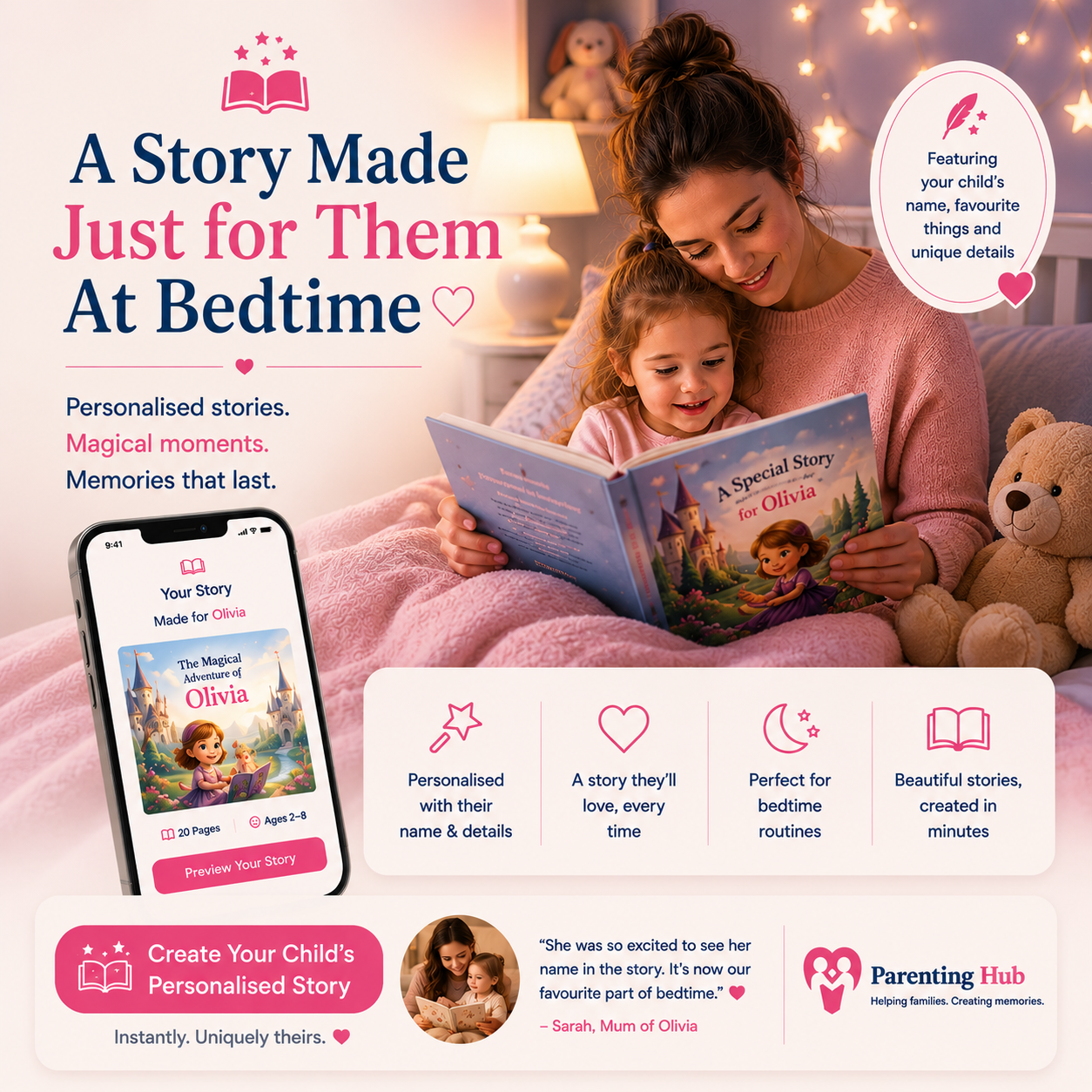
Personalised Bedtime Story
Their Name, Their Story, Every Night
Ten illustrated pages built around your child's name and a theme they already love, narrated softly for bedtime. From $49.99 AUD.
Create Your Child's Story ✨Frequently Asked Questions
When do babies recognise their own name?
Most babies respond to their own name somewhere between four and seven months — turning their head, pausing, making eye contact. By around twelve months the name is one of the most reliable attention cues a parent has.
Does a personalised story really work better than a normal book?
It holds attention more easily, especially with tired toddlers, because the child is in the story rather than watching it. It is not a substitute for a good bedtime routine — it makes the routine easier to run.
Will my child get bored once they know the story?
Unlikely at this age. Two- and three-year-olds ask for the same personalised story night after night precisely because they know what happens to them in it.
Is it strange for a child to be the hero of their own book?
No. Children spend most of their play being the hero of something. A book that reflects that back is closer to how they already think than a story about strangers.
What details are worth personalising?
The name first, then one or two things that are genuinely theirs — the dog, the beach they know, the toy that comes everywhere. Beyond that, extra detail starts to crowd the story.
Sample: Liam's lullaby
Create Your Baby's Personalised Lullaby
A soothing, personalised lullaby made just for your little one — with their name, gentle vocals, and calming melodies designed to help them drift off to sleep.
- Instant digital delivery
- Secure checkout
- Trusted by families worldwide
- Free preview before you buy
Personalised Bedtime Story
A Story Made Just for Them at Bedtime
A magical bedtime story featuring your child's name, favourite things and unique details — created in minutes.
Create My Child's Story ✨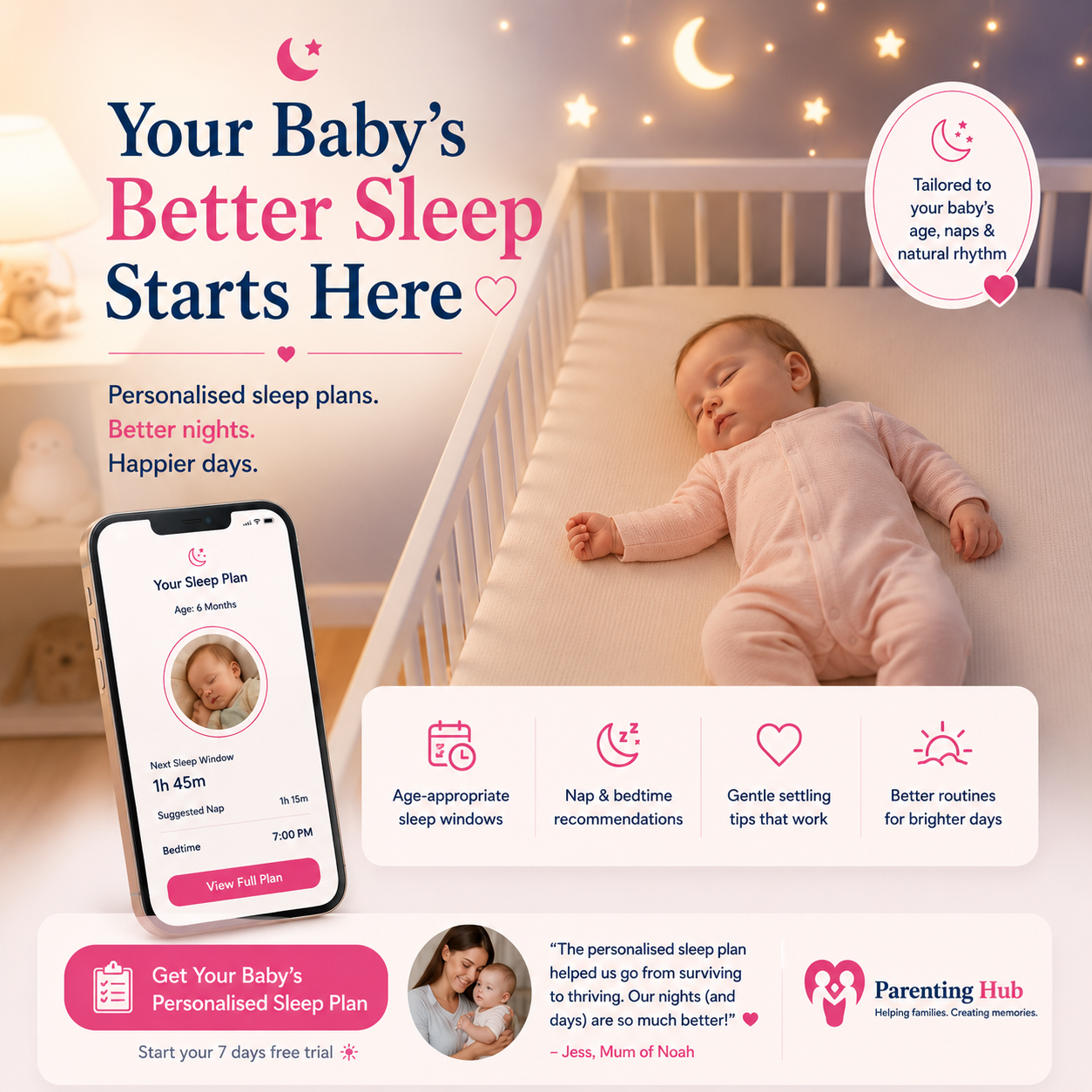
Personalised Sleep Plan
Get Your Baby's Personalised Sleep Plan
Answer a few quick questions about your baby's age, naps, and mood — and get a tailored bedtime plan with suggested sleep windows and settling tips.
Generate Sleep Plan 🌙🌙 Related Baby Sleep Guides
Why Babies Sleep Better with Lullabies
Discover why lullabies help babies sleep better. Learn the science behind personalised baby lullabies, parent-voice bonding, and how to build a calming bedtime routine.
Why Bedtime Stories Help Babies and Toddlers Sleep
Why a bedtime story settles babies and toddlers — what it does to arousal levels, where it belongs in the routine, and how long it should be at each age.
Best Songs With Your Baby's Name (And a Better Alternative)
The best ways to find songs with your baby's name — plus a personalised lullaby that beats spliced name songs for settling Australian babies.