
Startle Reflex in Newborns Explained
You finally put the baby down. They're asleep. Then — out of nowhere — both arms fling outwards, the eyes pop open and the cry starts. Welcome to the startle reflex, or Moro reflex. It is one of the most common reasons newborns wake themselves up, and one of the easiest to manage once you understand it.
What it is and why it exists
The Moro reflex is an involuntary survival response present from birth. When a newborn feels a sudden change — a loud sound, a drop in support, even their own twitch — their arms shoot outwards, then curl back in protectively. It is a healthy sign of a working nervous system.
The reflex starts to integrate around 3 months and is mostly gone by 6 months. Until then, it is the leading cause of inexplicable wake-ups.
Why it wakes your baby
Newborns naturally drift through light and deeper sleep in 45-minute cycles. Between cycles, the body relaxes and the limbs can twitch. That tiny movement triggers the Moro reflex — arms fling out, the baby feels they're falling, and they wake fully crying.

The safe swaddle + lullaby combo
Two interventions handle 90% of startle-related waking:
- Safe swaddling per Red Nose Australia — arms in, hips loose enough for two fingers, baby always on back, no loose fabric near the face.
- A continuous, gentle lullaby — soft, low-volume music played through the nap fills the quiet moments that often trigger a startle.
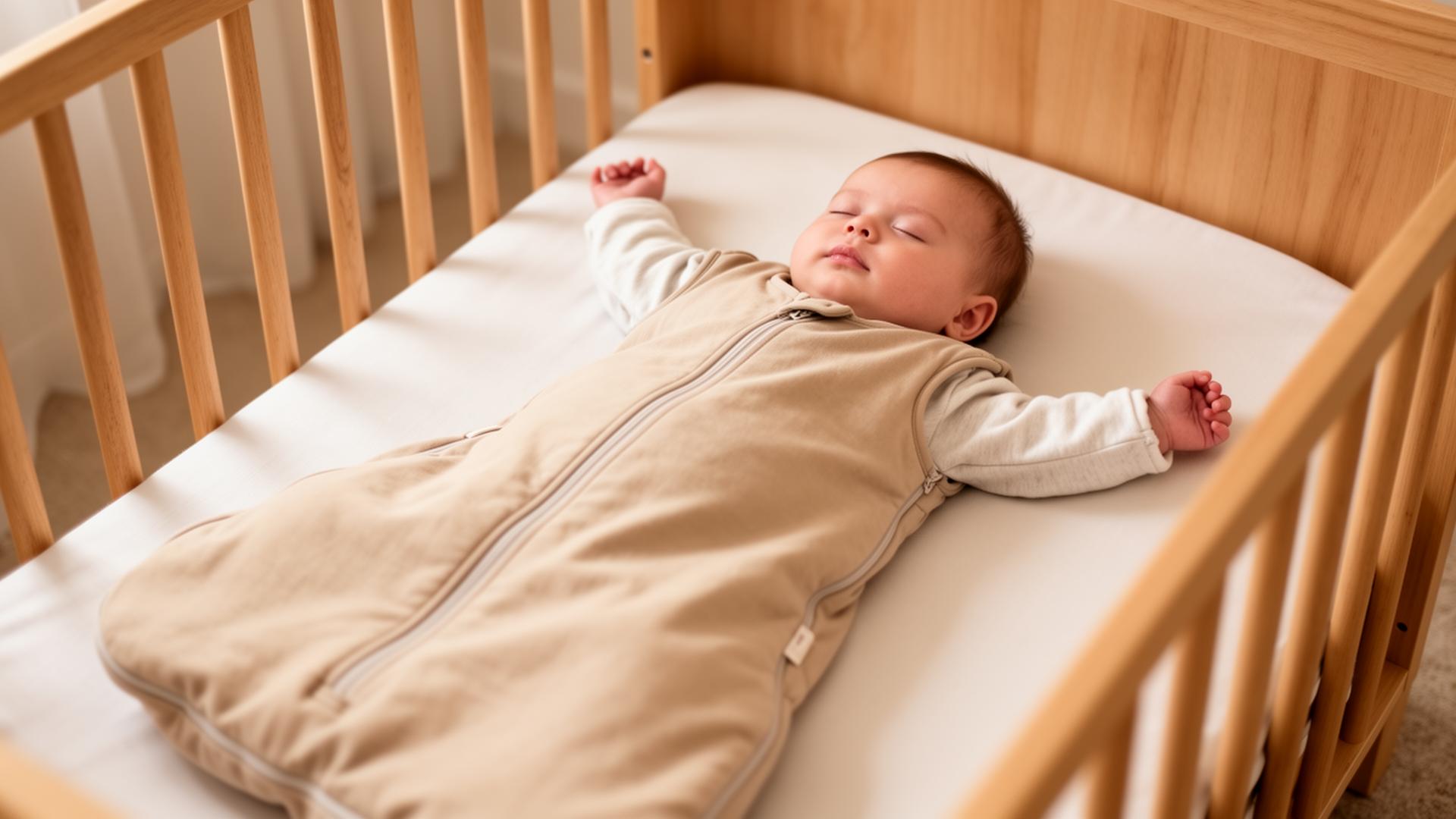
Once your baby shows the first signs of rolling, stop swaddling and move to a sleeping bag with arms out. Our swaddle to sleeping bag guide walks you through the change without sacrificing the calm.

Sample: Olivia's lullaby
A Continuous Lullaby Cushions the Startle
A personalised lullaby looping at low volume keeps the room gently filled with sound — reducing the silence that often triggers the Moro reflex between sleep cycles.
- Instant digital delivery
- Secure checkout
- Trusted by families worldwide
- Free preview before you buy
When the reflex persists
If a strong startle reflex is still triggering big wakes at 6 months, mention it at your next child health nurse appointment. It is usually just a slow integration, but occasionally points to other developmental questions worth checking.
Pulling it together
The startle reflex is a feature, not a bug. Safe swaddling, calm sound, and time are the three things that turn it from sleep-wrecker into a brief phase. For the bigger picture of newborn sleep, see our wake windows by age guide.
Frequently Asked Questions
What is the startle reflex (Moro reflex)?
An involuntary reflex present from birth where a newborn flings their arms outwards, then back in, often with a cry — usually triggered by sudden sound, light or movement. It is a sign of a healthy nervous system.
When does the startle reflex go away?
Most babies' Moro reflex integrates between 3 and 6 months. After 6 months it should largely be gone; if it persists strongly past 6 months, mention it at your child health nurse visit.
Why does my baby startle awake during sleep?
Their arms aren't yet under conscious control. As they drift between sleep cycles, a tiny twitch can trigger the Moro reflex and wake them fully. Swaddling holds the arms gently so the trigger doesn't fire.
Is swaddling safe?
Yes when done per Red Nose Australia guidelines: arms in, hips loose, no loose fabric, baby always on the back. Stop swaddling once your baby shows signs of rolling.
Can a lullaby help with the startle reflex?
Yes — a continuous, gentle lullaby playing through naps fills the quiet moments that often trigger a startle. Layered with safe swaddling, it dramatically reduces wake-ups.
Sample: Liam's lullaby
Create Your Baby's Personalised Lullaby
A soothing, personalised lullaby made just for your little one — with their name, gentle vocals, and calming melodies designed to help them drift off to sleep.
- Instant digital delivery
- Secure checkout
- Trusted by families worldwide
- Free preview before you buy

Personalised Bedtime Story
A Story Made Just for Them at Bedtime
A magical bedtime story featuring your child's name, favourite things and unique details — created in minutes.
Create My Child's Story ✨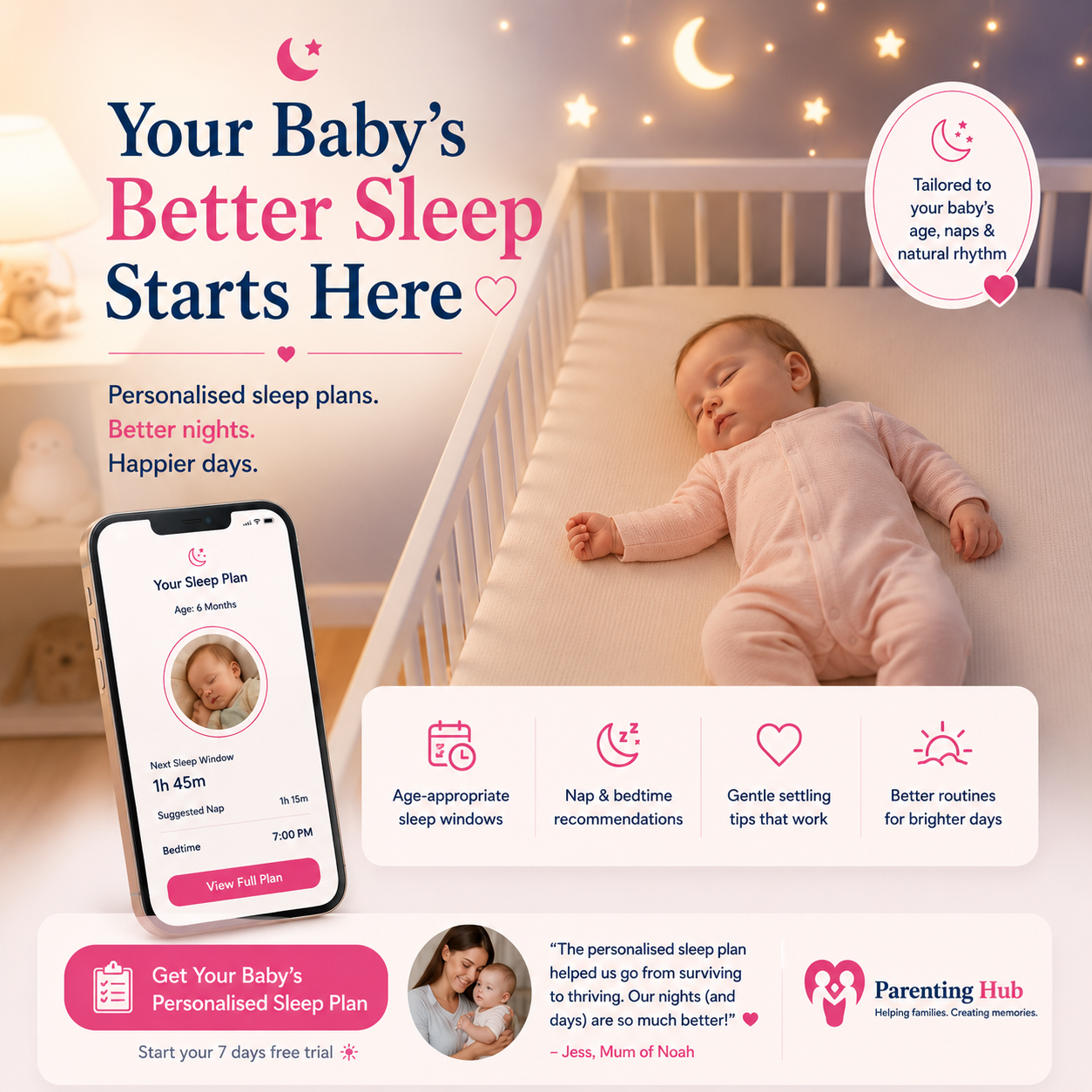
Personalised Sleep Plan
Get Your Baby's Personalised Sleep Plan
Answer a few quick questions about your baby's age, naps, and mood — and get a tailored bedtime plan with suggested sleep windows and settling tips.
Generate Sleep Plan 🌙🌙 Related Baby Sleep Guides
Why Babies Sleep Better with Lullabies
Discover why lullabies help babies sleep better. Learn the science behind personalised baby lullabies, parent-voice bonding, and how to build a calming bedtime routine.
Swaddle to Sleeping Bag: A Gentle Australian Transition Guide
When and how to transition your baby from swaddle to sleeping bag in Australia — safe timing, tog guide and gentle methods that protect sleep.

Newborn Wake Windows by Age: An Australian Sleep Guide
An Australian parent's guide to newborn wake windows by age — how long babies should be awake from 0–12 months, with tired-sign cues and gentle settling tips.