Brahms' Lullaby: Full Lyrics, History and Meaning
Brahms' Lullaby — properly known as Wiegenlied — is the melody you've heard a thousand times without knowing what it was called. It's in every music box, every plush mobile, every white-noise machine on the market.
Composed by Johannes Brahms in 1868, it's the gold standard for cradle songs because the maths underneath it — 70 BPM, three-four time, stepwise melody — is exactly what a baby's nervous system needs to wind down.
Full English lyrics
Lullaby, and goodnight, with roses bedight
With lilies o'erspread is baby's wee bed
Lay thee down now and rest, may thy slumber be blessed
Lay thee down now and rest, may thy slumber be blessed.
Lullaby, and goodnight, thy mother's delight
Bright angels around, my darling shall stand
They will guard thee from harms, thou shalt wake in my arms
They will guard thee from harms, thou shalt wake in my arms.
Original German lyrics (Wiegenlied)
Guten Abend, gut' Nacht, mit Rosen bedacht,
Mit Näglein besteckt, schlupf' unter die Deck'.
Morgen früh, wenn Gott will, wirst du wieder geweckt,
Morgen früh, wenn Gott will, wirst du wieder geweckt.
Translation: Good evening, good night, covered with roses, adorned with cloves, slip under the blanket. Tomorrow morning, God willing, you will wake again.
The story behind the song
Brahms wrote Wiegenlied in 1868 as a gift for his friend Bertha Faber on the birth of her second son. Bertha had once sung Brahms a folk love song years earlier; he wove that exact melody into the piano accompaniment as a private tribute. The vocal line on top — the one every music box plays — was Brahms' own composition.
It was published as Op. 49 No. 4 and became, almost immediately, the most-performed lullaby in the Western world.
Why the melody works on babies
- Tempo — around 70 BPM, the resting heart rate range.
- Time signature — three-four (waltz), the rhythm of being rocked.
- Intervals — almost entirely stepwise, no surprises. Predictability calms the nervous system.
- Length — one short verse repeated. The brain stops processing and starts drifting.
It's the same recipe behind all effective baby sleep music.
How to use Brahms' Lullaby tonight
- Sing or play the first verse only — repeat 4 times.
- Drop your voice volume each repetition.
- Pair with gentle in-arms swaying on the three-four pulse.
- Use the same melody every night — repetition is the cue.
More classic lullabies

Sample: Olivia's lullaby
A Lullaby Brahms Couldn't Write — With Your Baby's Name In It
Brahms wrote a lullaby for the world. We'll make one just for your baby — name sung into the chorus, slow tempo, soft adult vocal, same calming maths. From $59.99 AUD.
- Instant digital delivery
- Secure checkout
- Trusted by families worldwide
- Free preview before you buy
Frequently Asked Questions
What are the lyrics to Brahms' Lullaby in English?
The most common English version is: 'Lullaby, and goodnight, with roses bedight / With lilies o'erspread is baby's wee bed / Lay thee down now and rest, may thy slumber be blessed / Lay thee down now and rest, may thy slumber be blessed.' A second verse begins 'Lullaby and goodnight, thy mother's delight…'
Who wrote Brahms' Lullaby?
Johannes Brahms composed it in 1868 and dedicated it to his friend Bertha Faber on the birth of her second son. The original German title is Wiegenlied: Guten Abend, gut' Nacht (Cradle Song: Good Evening, Good Night).
What are the original German lyrics?
'Guten Abend, gut' Nacht, mit Rosen bedacht, mit Näglein besteckt, schlupf' unter die Deck'. Morgen früh, wenn Gott will, wirst du wieder geweckt.' (Good evening, good night, covered with roses, adorned with cloves, slip under the blanket. Tomorrow morning, God willing, you will wake again.)
Why is Brahms' Lullaby so calming?
The melody sits at roughly 70 BPM in three-four time — the same gentle rocking pattern as a parent swaying with a baby in arms. The intervals are small and stepwise, so the tune feels predictable. Predictability is what relaxes a baby's nervous system.
Is Brahms' Lullaby the music every music box plays?
Most of them, yes. It's the single most-used melody in nursery music boxes, mobiles and white-noise machines worldwide — partly because it's out of copyright, mostly because it works.
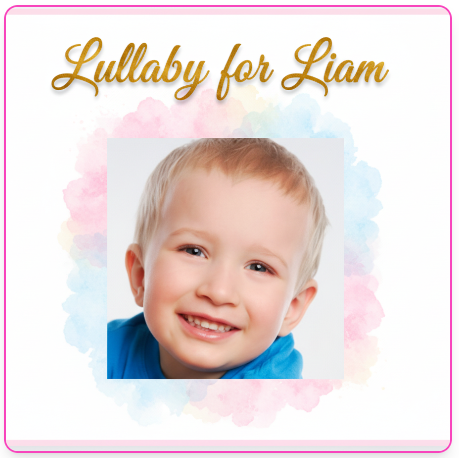
Sample: Liam's lullaby
Create Your Baby's Personalised Lullaby
A soothing, personalised lullaby made just for your little one — with their name, gentle vocals, and calming melodies designed to help them drift off to sleep.
- Instant digital delivery
- Secure checkout
- Trusted by families worldwide
- Free preview before you buy
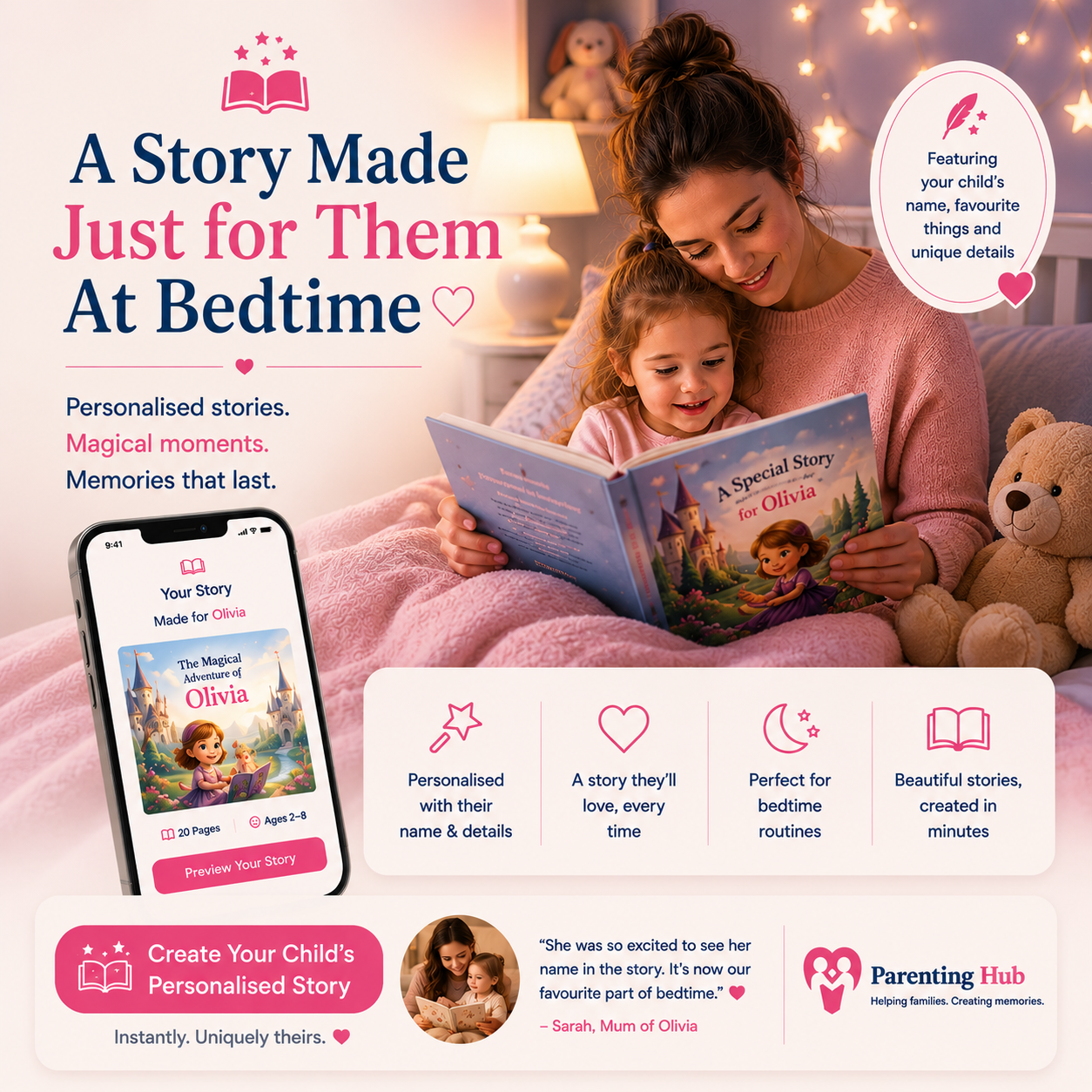
Personalised Bedtime Story
A Story Made Just for Them at Bedtime
A magical bedtime story featuring your child's name, favourite things and unique details — created in minutes.
Create My Child's Story ✨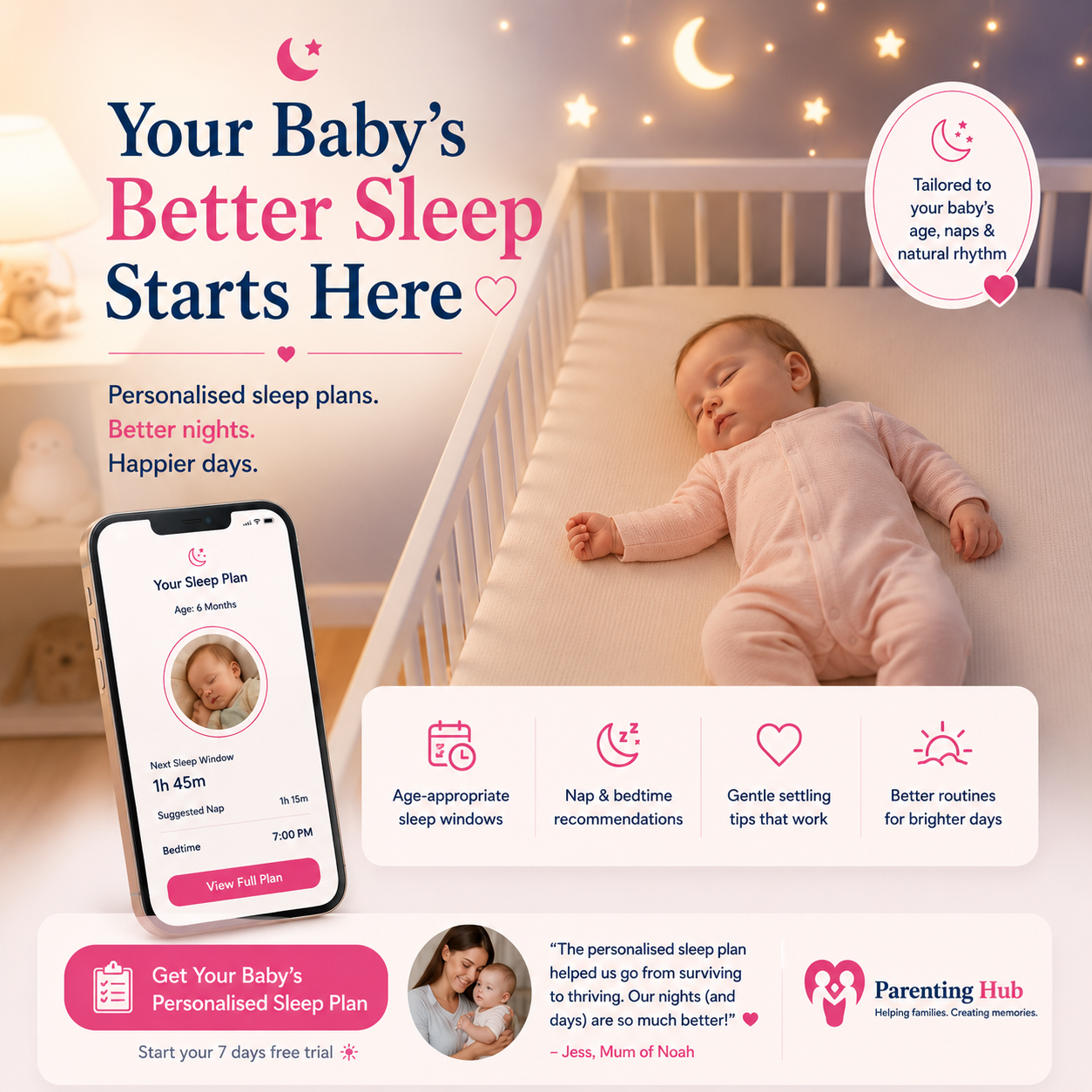
Personalised Sleep Plan
Get Your Baby's Personalised Sleep Plan
Answer a few quick questions about your baby's age, naps, and mood — and get a tailored bedtime plan with suggested sleep windows and settling tips.
Generate Sleep Plan 🌙🌙 Related Baby Sleep Guides
Why Babies Sleep Better with Lullabies
Discover why lullabies help babies sleep better. Learn the science behind personalised baby lullabies, parent-voice bonding, and how to build a calming bedtime routine.
Classic Lullabies: Lyrics, History and Why They Still Work
Full lyrics and history of the six classic lullabies every parent should know — Rock-a-Bye Baby, Brahms, Twinkle Twinkle, Hush Little Baby, Are You Sleeping, Mary Had a Little Lamb.
Rock-a-Bye Baby: Full Lyrics, History and Meaning
Full lyrics to Rock-a-Bye Baby, the dark original history, the safer modern version most parents sing today, and why the melody still settles babies.