Classic Lullabies: Lyrics, History and Why They Still Work
Classic lullabies are the oldest piece of parenting technology in the world. The songs your grandmother sang to your mum, and your mum sang to you, are still working in 2026 — because tempo, repetition and a familiar voice are exactly what a tired baby's nervous system needs.
This guide collects the lyrics, history and meaning behind the six most-sung classic lullabies in the English-speaking world, plus what makes them so effective at settling a baby to sleep.
The six classics every parent should know
- Rock-a-Bye Baby — the world's most-sung cradle song. Full lyrics, the dark original verse, and the safe modern version.
- Brahms' Lullaby (Wiegenlied) — written in 1868, still the gold standard for music-box melodies.
- Twinkle Twinkle Little Star — the full five-verse original, plus why the melody is identical to the ABC song and Baa Baa Black Sheep.
- Hush Little Baby — the American folk lullaby with the mockingbird, and the modern gentler endings parents now sing.
- Are You Sleeping (Frère Jacques) — the 18th-century French round that became a global bedtime standard.
- Mary Had a Little Lamb — a true story from 1815 Massachusetts, slowed down it makes a beautiful settle song.
What every classic lullaby has in common
Strip back the words and the same three patterns appear in every classic lullaby ever written:
- Slow tempo — 60 to 80 BPM, the range of a resting heart rate.
- Simple, repeating melody — usually a single phrase repeated 4–6 times.
- Soft adult vocal — not a children's choir, not a synth. Babies are wired to settle to adult vocal tone.
It's exactly the same recipe behind modern baby sleep music — the classics just got there first.
Classic lullabies vs personalised lullabies
Both work — they do slightly different jobs.
- Classic lullabies are cultural anchors. Sing them in the bath, in the pram, in the car — anywhere familiarity helps.
- Personalised lullabies use your baby's name as the sleep cue. The strongest setting is bedtime: the same personalised track, looped at low volume, every single night. After 5–7 nights it becomes a Pavlovian sleep trigger.
Full comparison: nursery rhymes vs personalised lullabies.
How to use any classic lullaby for sleep (not play)
- Slow it down. Whatever pace you'd normally sing, halve it.
- Drop the volume. A whisper-quiet voice is more soothing than a clear one.
- Repeat the same verse 4–6 times instead of moving on. Repetition is the cue, not novelty.
- Use the same lullaby every night. Variety undermines the conditioned response.
- Pair it with dim lighting and a 50 dB sound floor (see safe sleep guidelines Australia).
Find your baby's name
We've prepared a personalised lullaby page for the top 200 Australian baby names — full lyrics inspired by the meaning of the name, a soft adult vocal singing it into the chorus, and a one-click button to generate the track.
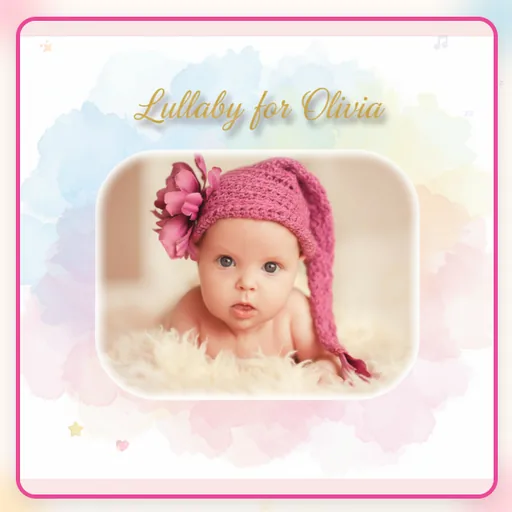
Sample: Olivia's lullaby
Want a Lullaby with Your Baby's Name In It?
An original 3-minute lullaby with your baby's name sung into the chorus, slow tempo, soft adult vocal — the same recipe as the classics, made just for your little one. From $59.99 AUD.
- Instant digital delivery
- Secure checkout
- Trusted by families worldwide
- Free preview before you buy
Frequently Asked Questions
What are the most popular classic lullabies?
The all-time list is Rock-a-Bye Baby, Brahms' Lullaby (Wiegenlied), Twinkle Twinkle Little Star, Hush Little Baby, Are You Sleeping (Frère Jacques), and Mary Had a Little Lamb. These six cover the vast majority of nightly bedtime singing across English-speaking households.
Why do classic lullabies still work in 2026?
Tempo and repetition. Every classic lullaby sits between 60 and 80 BPM — the range that pulls a baby's heart rate downward — and uses the same melodic line over and over. The familiarity itself becomes the sleep cue.
Are the original lullaby lyrics scary?
Some are darker than the singalong version implies — Rock-a-Bye Baby ends with the cradle falling, and several traditional verses reference loss. Most parents use the gentle modern adaptation, which is perfectly fine for a sleep cue. Tone matters more than literal meaning to an infant.
Do I have to sing the words exactly right?
No. Your baby responds to your voice, the tempo and the repetition — not to perfect lyrics. Hum the verses you don't remember; the soothing effect is identical.
What's better — a classic lullaby or a personalised one?
Both work. Classic lullabies build cultural familiarity. A personalised lullaby that includes your baby's name sung into the chorus creates a stronger, more individual sleep cue — your baby learns 'this song is mine'. Many parents use both: the classic in the day, the personalised one at bedtime.
Sample: Olivia's lullaby
Create Your Baby's Personalised Lullaby
A soothing, personalised lullaby made just for your little one — with their name, gentle vocals, and calming melodies designed to help them drift off to sleep.
- Instant digital delivery
- Secure checkout
- Trusted by families worldwide
- Free preview before you buy
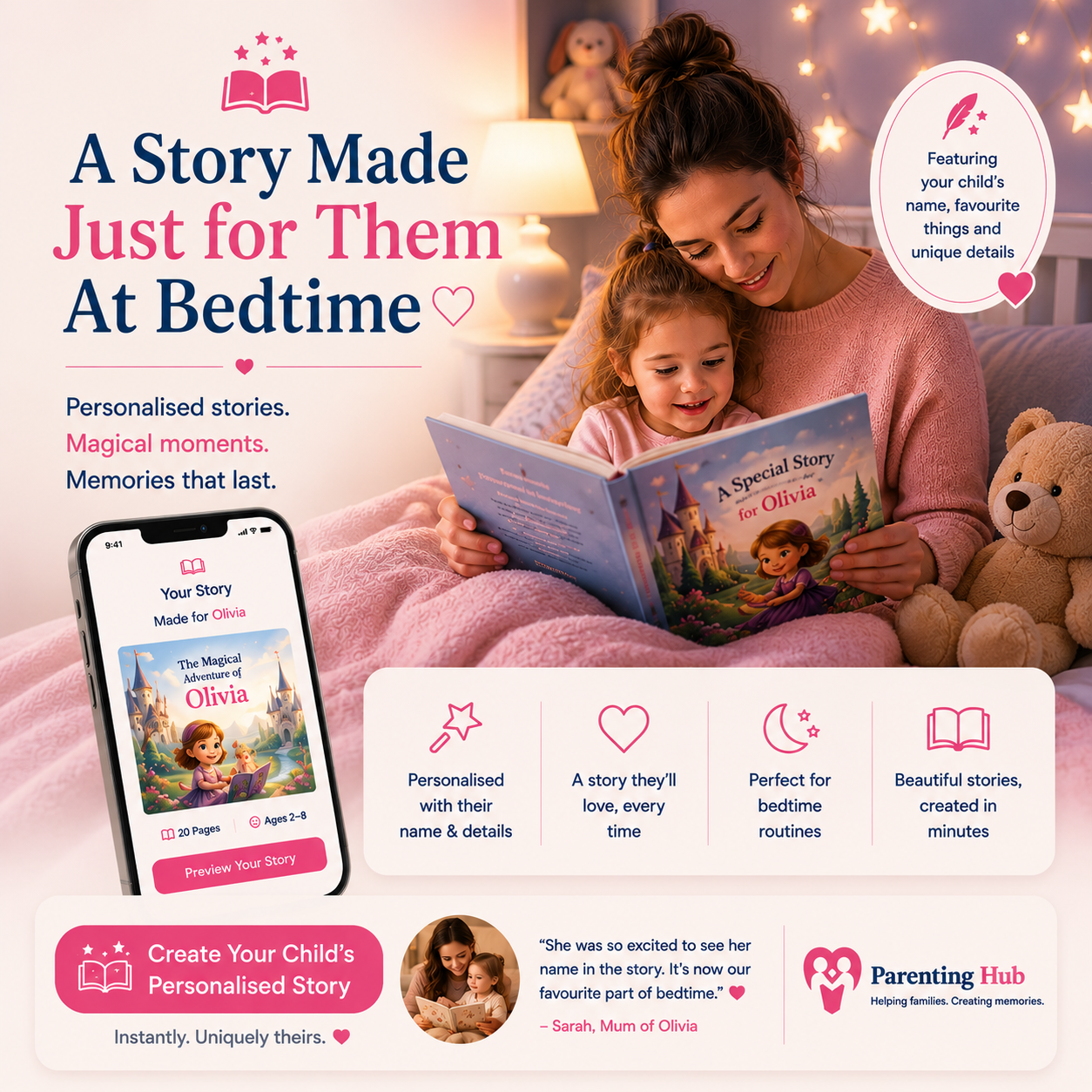
Personalised Bedtime Story
A Story Made Just for Them at Bedtime
A magical bedtime story featuring your child's name, favourite things and unique details — created in minutes.
Create My Child's Story ✨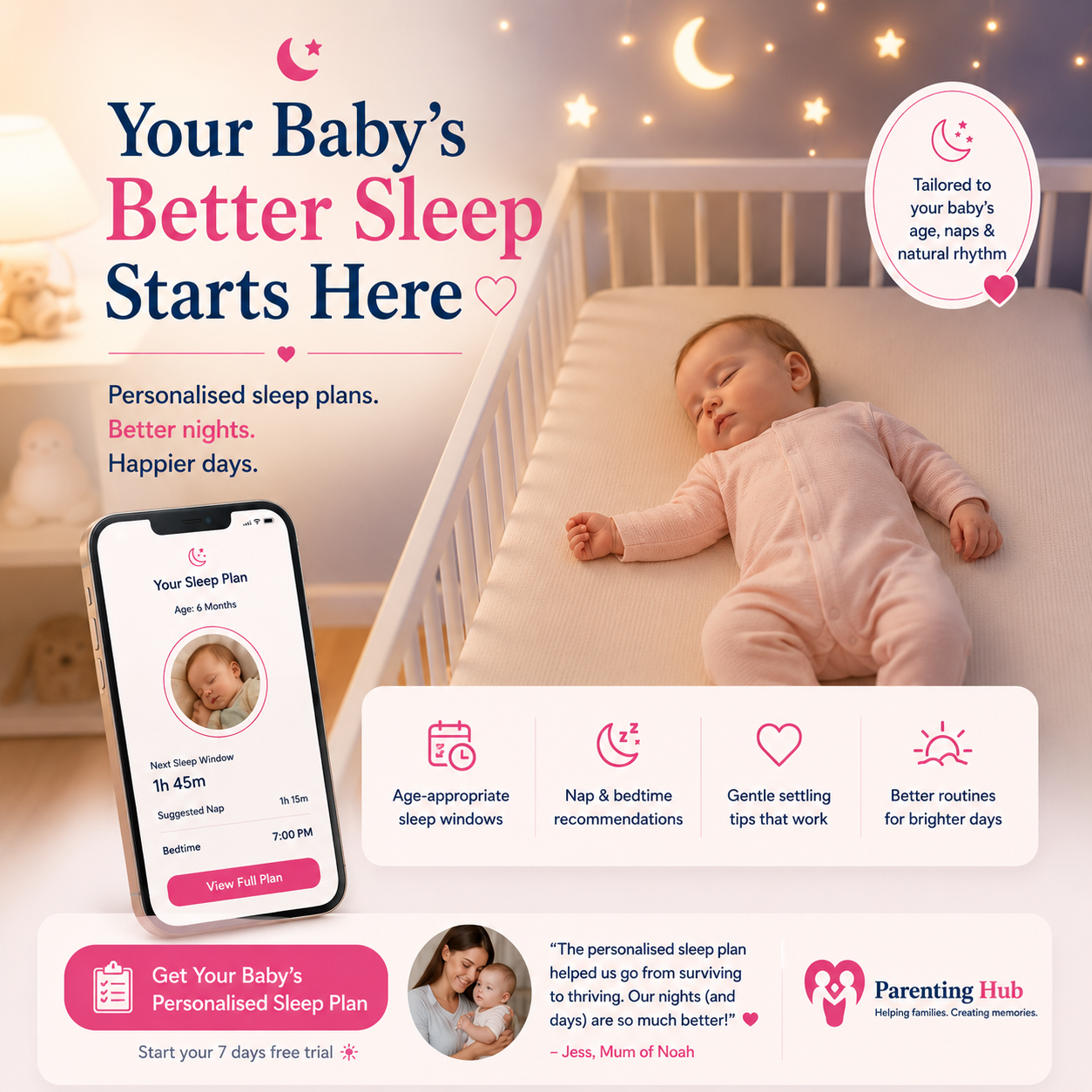
Personalised Sleep Plan
Get Your Baby's Personalised Sleep Plan
Answer a few quick questions about your baby's age, naps, and mood — and get a tailored bedtime plan with suggested sleep windows and settling tips.
Generate Sleep Plan 🌙🌙 Related Baby Sleep Guides
Why Babies Sleep Better with Lullabies
Discover why lullabies help babies sleep better. Learn the science behind personalised baby lullabies, parent-voice bonding, and how to build a calming bedtime routine.
Rock-a-Bye Baby: Full Lyrics, History and Meaning
Full lyrics to Rock-a-Bye Baby, the dark original history, the safer modern version most parents sing today, and why the melody still settles babies.
Brahms' Lullaby: Lyrics, History and Why It's the World's Most-Loved Cradle Song
The complete guide to Brahms' Lullaby (Wiegenlied) — full English and German lyrics, the 1868 history, and why the melody is in every music box in the world.